
What to Expect on a Tanzania Safari: The Ultimate Guide to the Magic, the Rhythm, and the Wild
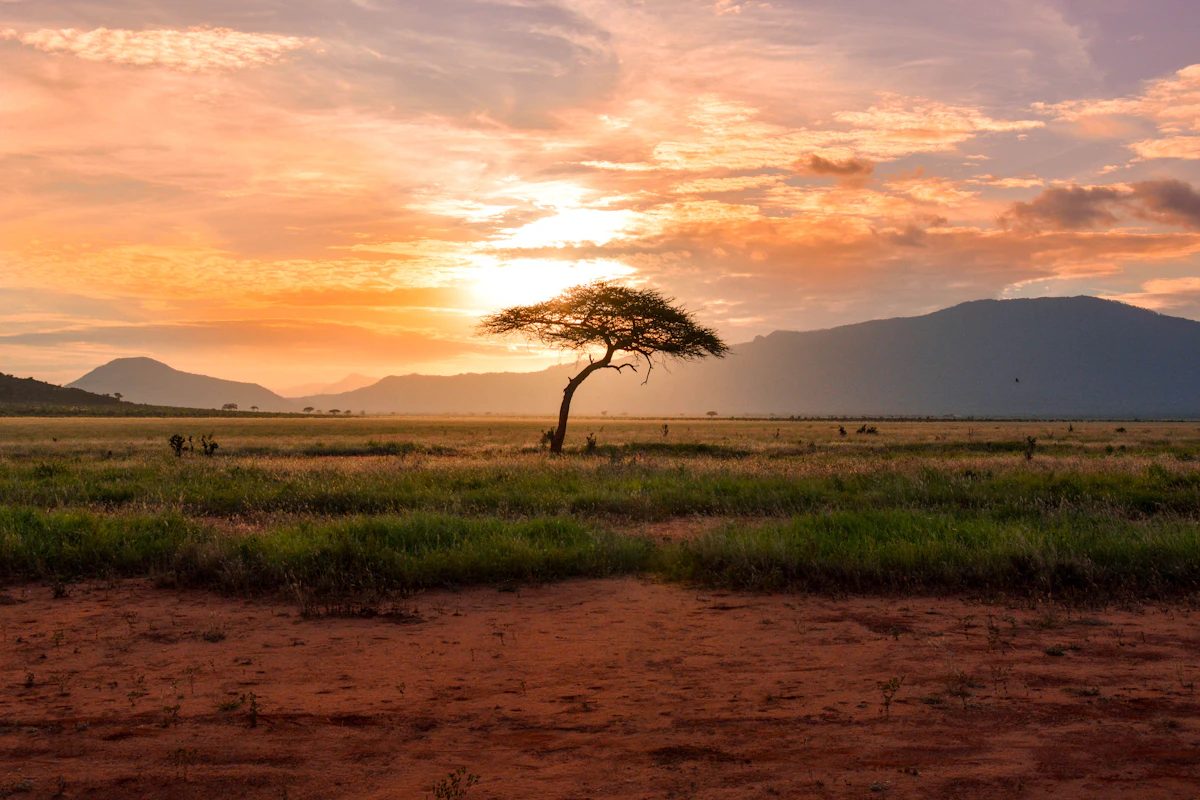
Have you ever closed your eyes and imagined the quintessential African adventure? Chances are, you pictured a fiery golden sun dipping below an endless horizon, the iconic silhouette of an acacia tree against the sky, and the distant, thrilling roar of a lion echoing through the night.
That isn’t just a scene from a movie; it is a living, breathing reality. Welcome to Tanzania.
Embarking on a Tanzania safari is far more than a simple vacation—it is a profound, awe-inspiring journey that resets your internal clock and connects you to the raw pulse of the natural world. It is a sensory explosion where you exchange the hum of city traffic for the thrum of millions of hooves crossing the plains.
But if you have never been on safari before, the logistics, rhythms, and expectations can feel a bit mysterious. What does a typical day actually look like? Will you be roughing it? How close do you really get to the animals?
Whether you are dreaming of witnessing the epic Great Migration, tracking down the elusive Big Five, or simply sipping a cold drink as the savannah turns to gold, this comprehensive guide will prepare you for the adventure of a lifetime.
1. The Safari Rhythm: A Day-by-Day Breakdown
One of the first things that surprises first-time safari-goers is the daily schedule. Safari life has a distinct, beautiful rhythm dictated entirely by the sun and the behavior of the wildlife. Forget sleeping in; the best magic happens when the world is just waking up.
Early Mornings: Sunrise & Game Drives
Your day begins before the sun even thinks about peeking over the horizon. Expect a gentle wake-up call between 5:30 AM and 6:30 AM. Depending on where you are staying, this often comes with a friendly knock on your tent door and a piping hot thermos of local Tanzanian coffee or tea delivered straight to your veranda.
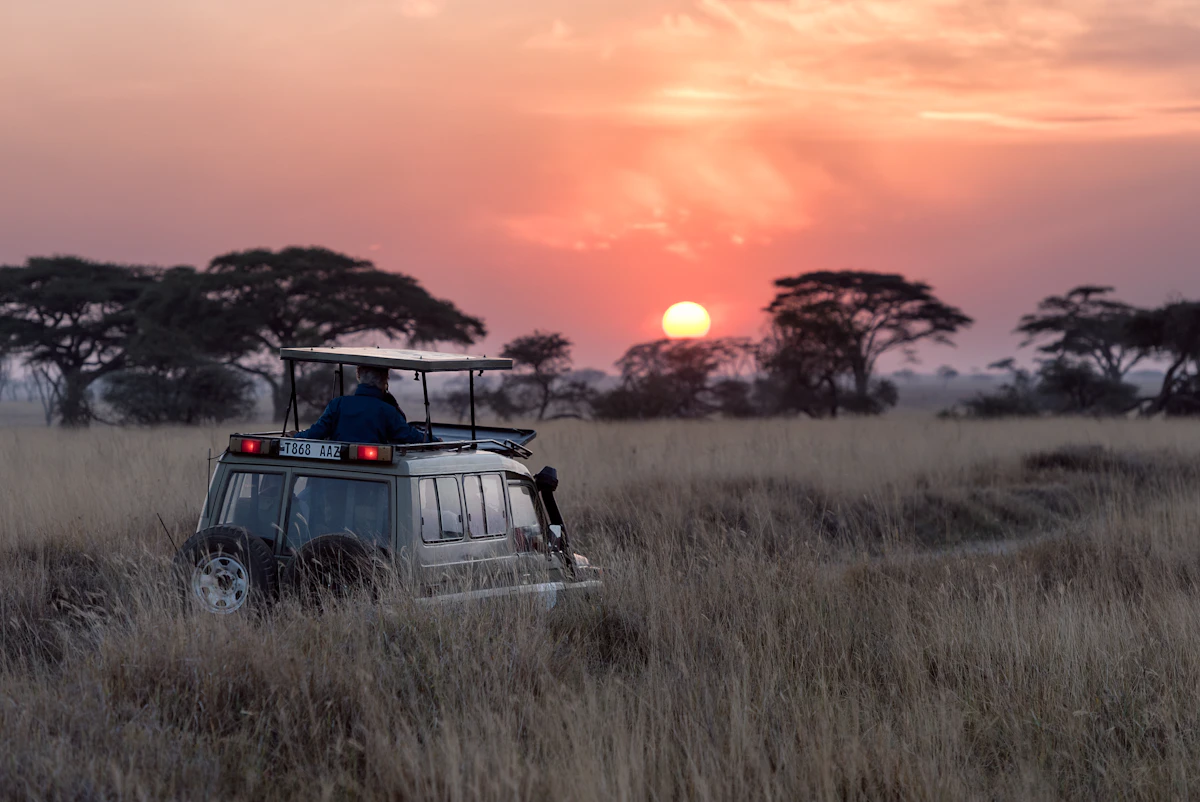
By 6:00 AM, you are boarding your 4×4 vehicle. This early start is crucial for a morning game drive. Why? Because the African heat hasn’t set in yet. This is prime time for wildlife activity. Predators like lions, leopards, and hyenas are finishing up their night hunts, and large herbivores are actively grazing before the sun forces them into the shade.
Midday: Breakfast & Relaxation
By mid-morning, the sun begins to bake the landscape, and the animals start retreating into the thickets to rest. That is your cue to do the same.
Depending on your day’s plan, you will either head back to your lodge or camp for a massive, cooked-to-order breakfast, or your guide will set up a surprise bush breakfast in the wild. Imagine eating fresh fruit, eggs, and bacon on a linen-clothed table under the shade of a massive baobab tree while zebras graze a few hundred yards away. It is unforgettable.
- Catch up on the sleep you missed during your early wake-up call.
- Lounge by the lodge pool with a view over a watering hole.
- Sit quietly on your private deck with a pair of binoculars and a journal.
- Indulge in a massage or spa service if your lodge offers them.
Afternoon: Tea & Second Game Drive
Around 3:30 PM or 4:00 PM, the camp springs back to life with a beloved British-colonial tradition: afternoon tea. You’ll gather for refreshing iced drinks, hot tea, savory snacks, and sweet treats to fuel up for your second game drive of the day.
The late afternoon light casts long, dramatic shadows across the plains, creating an entirely different atmosphere from the morning. Your afternoon drive runs until park closing time, strictly enforced around 6:30 PM to protect the animals.
Evenings: Sundowners, Dinner & Camp Life
Just before the park gates close, your guide will pull over for the holy grail of safari traditions: sundowners. You’ll sip a classic gin and tonic or a local safari beer while watching the African sun melt into the horizon in shades of deep purple, crimson, and burnt orange.
Back at the camp or lodge, you’ll gather around a roaring campfire for drinks and storytelling. Dinner is usually a lavish affair, often served under a blanket of stars so clear you can see the Milky Way with the naked eye.
2. Wildlife & Landscapes: What You’ll See
Tanzania is world-renowned for being home to the Big Five—a term originally coined by big-game hunters to denote the five most dangerous animals to track on foot:
- Lion: The undisputed king of the plains.
- Leopard: The solitary master of stealth and camouflage.
- Elephant: The gentle, intelligent architects of the bush.
- Cape Buffalo: The formidable, unpredictable giants of the grasslands.
- Rhinoceros: The ancient, heavily armored, and critically endangered prize of the safari.
Beyond the Big Five, your days will be filled with thrilling wildlife encounters featuring elegant cheetahs, towering giraffes, pods of grunting hippos, dazzles of zebras, thousands of wildebeest, and a spectacular array of over 500 bird species.
| Park Name | Famous For | Best Time to Visit |
|---|---|---|
| Serengeti National Park | The Great Migration, massive lion prides, and open horizons | All year |
| Ngorongoro Crater | High density of wildlife and rare black rhinos | Year-round |
| Tarangire National Park | Ancient baobab trees and massive elephant herds | June to October (Dry season) |
| Lake Manyara National Park | Tree-climbing lions and vast flocks of pink flamingos | Year-round |
3. Safari Etiquette: Respect, Safety & Patience
A safari is not a zoo; it is a privileged glimpse into an untouched wilderness. To ensure your safety and the well-being of the wildlife, a strict code of safari etiquette must be followed.
- Silence is Golden: When your vehicle approaches a wildlife sighting, keep your voice down to a low whisper.
- Stay Inside the Vehicle: To wild animals, a 4×4 vehicle is perceived as a non-threatening object. Always remain seated while the vehicle is moving.
- Respect the Distance: A professional guide will always maintain a safe, respectful distance—typically 30 to 50 meters.
Remember: no wildlife sighting is guaranteed, and that is precisely where the magic lies. The unpredictability makes that sudden, unexpected moment feel like pure lightning in a bottle.

4. Practical Details: Vehicles, Accommodation & Meals
The Safari Vehicles
Your primary home during the day will be a custom-built, heavy-duty 4×4 Land Cruiser. Key features usually include pop-up roofs for a 360-degree view, guaranteed window seats, charging ports, and onboard coolers stocked with chilled water.
Accommodation: From Canvas to Castles
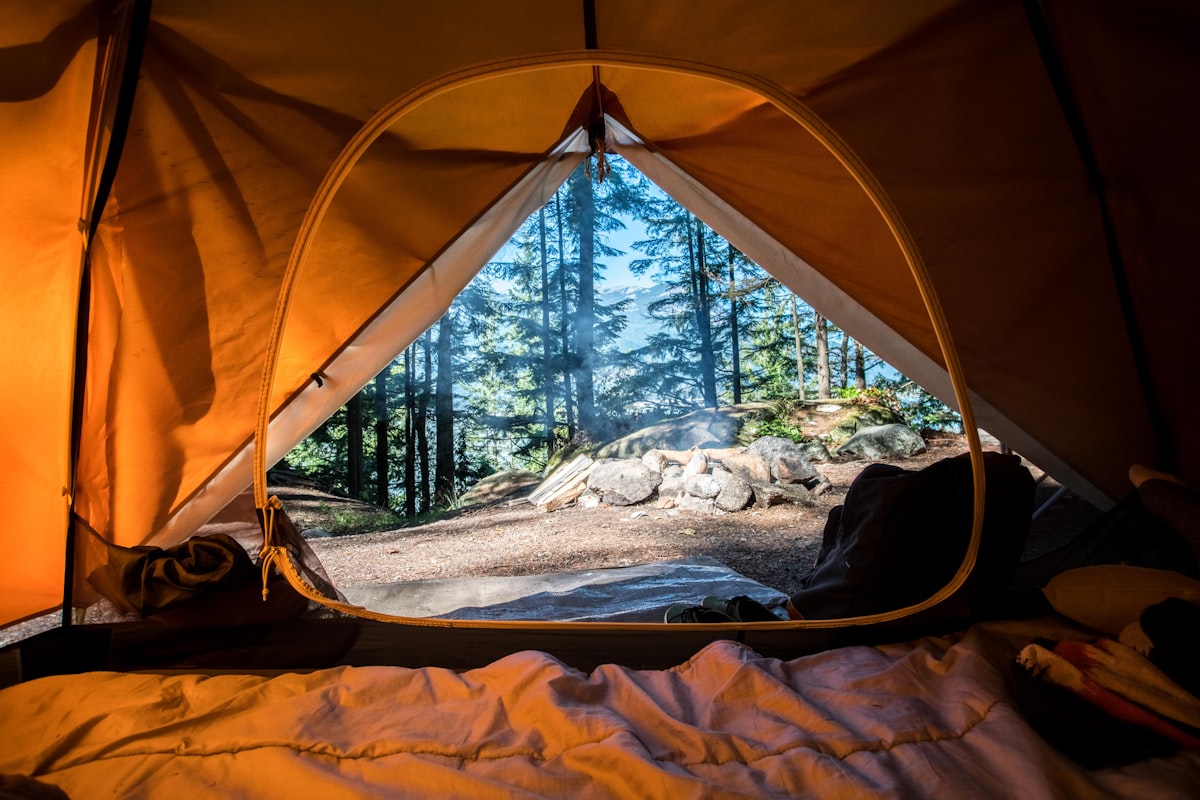
Safari accommodations in Tanzania are legendary. They range from Luxury Lodges that feel like five-star hotels dropped into the wilderness, to Permanent Tented Camps on raised wooden platforms with en-suite bathrooms, and Mobile Tented Camps that follow the Great Migration.
5. Planning Tips: Timing, Itinerary & Expectations
A successful safari requires thoughtful planning. Focusing on Tanzania’s famous Northern Circuit is highly recommended. A 5 to 7-day safari is the sweet spot for a well-rounded introduction to East Africa.
Pro Tip: Avoid the temptation to rush. Spending at least two or three nights in a single destination allows you to slow down, build a relationship with your guide, and truly soak in the soul of the place.
6. Authentic Experiences: Beyond the Game Drives
Step out of the vehicle and put your boots directly onto the African soil. Accompanied by an armed ranger, a walking safari shifts your perspective entirely. On foot, you learn the micro-narratives of the bush—reading tracks and identifying bird calls.
Deepen your journey with cultural encounters. Spend a morning visiting a traditional Maasai village or a Datoga homestead to learn about their pastoral way of life. These encounters provide an invaluable human context to your journey.
Final Thoughts: Leaving a Piece of Your Heart Behind
A Tanzania safari is far more than a checkbox on a travel bucket list. It is a sensory, emotional journey that strips away the artificial noise of modern life and replaces it with things that matter: connection, wonder, humility, and raw beauty.
If you open your heart to Africa, it will reward you in ways you never thought possible—and you will find yourself planning your return trip before your plane even leaves the tarmac.
Ready to Answer the Call of the Wild?
Don’t just dream about the Serengeti—experience it. Let our local experts design a customized itinerary that perfectly matches your travel style, budget, and wildlife wishlist.
Start Planning Your Safari Today