
The travel landscape is constantly evolving, but when it comes to the ultimate wildlife experience, one nation has firmly cemented its status at the top. As we look ahead, the consensus among luxury travel advisors, wildlife enthusiasts, and eco-conscious explorers is unanimous: Tanzania is Africa’s hottest safari destination in 2026. While there are many incredible African safari destinations to choose from, Tanzania offers an unparalleled alchemy of raw wilderness, spectacular wildlife density, and pioneering sustainable tourism. After years of careful infrastructure upgrades and a renewed focus on ecological preservation, a Tanzania safari 2026 promises an experience that is more accessible, more luxurious, and more profoundly impactful than ever before.
Whether you are a first-time visitor dreaming of the iconic open plains, a thrill-seeker considering climbing Kilimanjaro, or a seasoned safari-goer looking to venture into untouched southern reserves, Tanzania delivers on every front. From the thundering hooves of the world’s greatest wildlife spectacle to the tranquil shores of the Indian Ocean, this East African gem provides a multi-sensory journey that remains etched in your memory forever.
In this comprehensive guide, we will explore exactly why Tanzania is dominating the safari scene this year, detailing the key regions, sustainable trends, and practical tips you need to plan the journey of a lifetime.
1. The Unrivaled Spectacle of the Great Migration
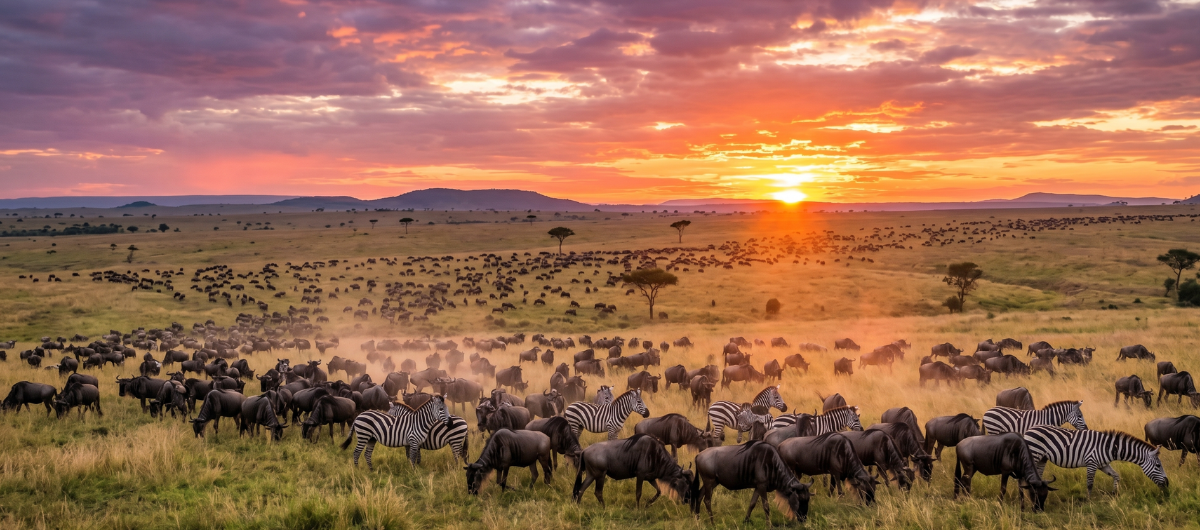
No conversation about African wildlife is complete without mentioning the Great Migration. Often dubbed the “Greatest Show on Earth,” this continuous circular journey of over two million wildebeest, zebras, and gazelles is a dramatic display of survival, instinct, and raw natural power.
While the migration happens year-round, 2026 is seeing optimal grazing conditions in the Serengeti National Park, resulting in incredibly concentrated herds. Witnessing these massive columns of animals moving across the plains—trailed closely by apex predators like lions, leopards, and cheetahs—is a profound reminder of the earth’s ancient rhythms.
- The 2026 Edge: Advanced tracking technology utilized by top-tier guides this year means your chances of witnessing high-stakes river crossings (especially at the Grumeti and Mara rivers) are higher than ever. Guides are utilizing real-time satellite data to predict herd movements with astonishing accuracy.
- Practical Tip: To see the dramatic Mara River crossings, book your safari for late July through September. If you prefer to see the calving season, where thousands of babies are born daily and predator action is at peak, aim for the southern Serengeti (Ndutu region) between late January and March.
2. The Enigmatic Beauty of the Ngorongoro Crater
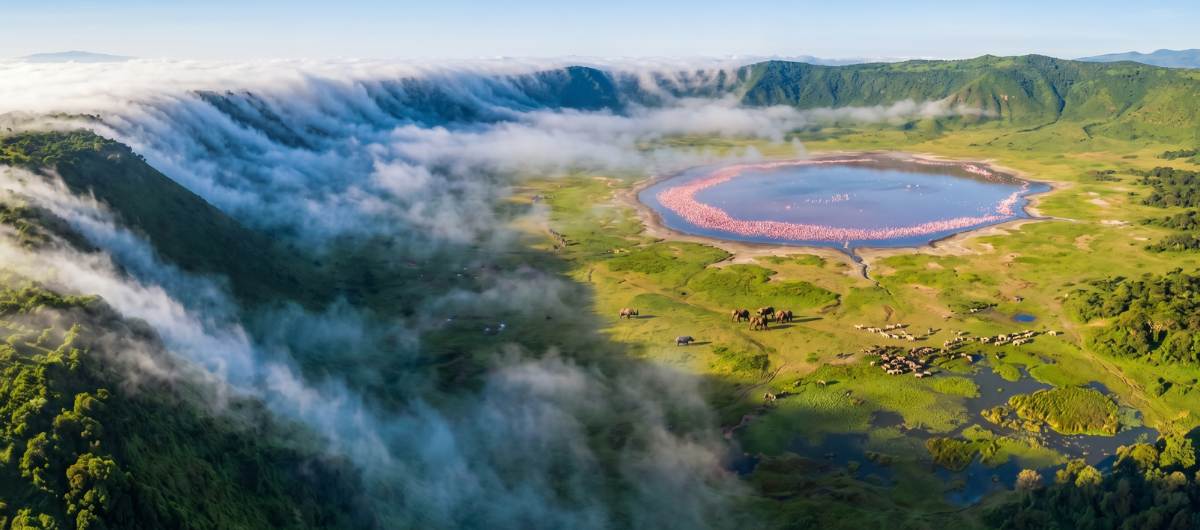
A UNESCO World Heritage site and a true geological marvel, the Ngorongoro Crater is a massive, unbroken volcanic caldera that acts as a natural enclosure for an astonishing variety of wildlife. Descending the steep, mist-shrouded walls into the crater floor feels like entering a lost world.
Because the animals here do not migrate, the 100-square-mile crater floor offers some of the most reliable and concentrated Big Five game viewing in the world. It is one of the few places on earth where you can spot a critically endangered black rhino, a giant-tusked elephant, and a pride of black-maned lions in a single morning.
- The 2026 Edge: New regulations implemented in recent years have strictly limited the number of vehicles allowed on the crater floor at any one time. In 2026, this translates to a much more exclusive, uncrowded, and serene viewing experience compared to a decade ago.
- Practical Tip: The crater floor can get chilly in the early morning. Pack strategic layers, including a warm fleece and a windbreaker, which you can easily shed as the equatorial sun heats the caldera by midday.
3. A New Era of Luxury Safari Lodges
The concept of a “safari” has evolved dramatically from the rugged expeditions of the past. Today, Tanzania is home to some of the most spectacular luxury safari lodges on the globe. However, 2026 marks a distinctive shift in what “luxury” means. It is no longer just about high thread-count sheets and plunge pools; it is about seamless integration with nature, hyper-personalized service, and zero-impact architecture.
From opulent canvas tents that evoke the golden age of exploration to striking, contemporary glass-and-wood eco-pods that disappear into the landscape, the accommodation options are breathtaking. Many lodges now feature private plunge pools overlooking active waterholes, star-beds for sleeping under the Milky Way, and private sommeliers pouring world-class South African wines in the heart of the bush.
- The 2026 Edge: Off-grid luxury has been perfected. The top lodges opening or renovating in 2026 are entirely solar-powered, utilize advanced rainwater harvesting systems, and feature farm-to-table culinary programs using ingredients sourced from local community gardens.
- Practical Tip: Book well in advance. The demand for intimate, low-capacity boutique camps (those with 8 tents or fewer) has surged. Secure your reservations at least 12 to 18 months prior to your planned travel dates to guarantee your spot in these exclusive hideaways.
4. Pioneering Conservation Tourism
Travelers in 2026 are more ethically minded than ever before. They want their tourism dollars to actively protect the landscapes they visit and uplift the communities that steward them. Tanzania has recognized this shift and is leading the continent in conservation tourism.
When you book a reputable Tanzania safari 2026, a significant portion of your park fees and lodge tariffs goes directly toward anti-poaching units, wildlife veterinary interventions, and local education. Organizations operating in the Serengeti and the Grumeti Reserves have successfully rehabilitated local wildlife populations and rewilded vast tracts of land that were previously degraded.
- The 2026 Edge: Interactive conservation experiences are now standard at premium lodges. Guests can participate in rhino tracking with rangers, deploy camera traps with wildlife researchers, or visit local women’s cooperatives funded by tourism revenue. You are no longer just an observer; you are an active participant in preservation.
- Practical Tip: Ask your tour operator directly about their sustainability credentials. Choose operators who are partnered with verified NGOs and who transparently publish their community contribution reports.
5. The Quiet Grandeur of the Southern and Western Circuits
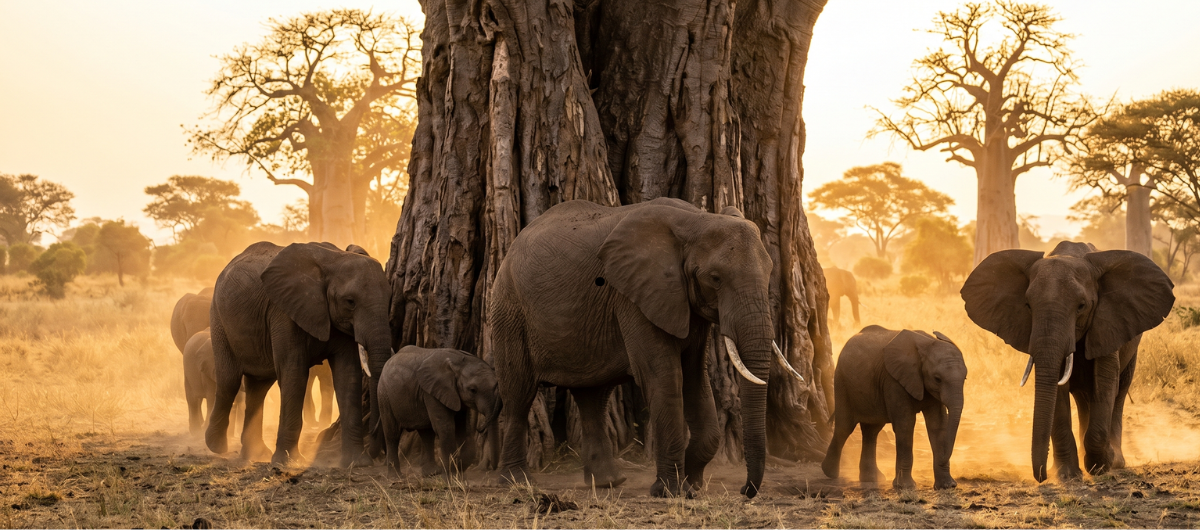
While the northern parks (Serengeti, Ngorongoro, Tarangire) take the spotlight, Tanzania’s southern and western circuits are the undisputed champions of off-the-beaten-path exploration in 2026. For those returning for a second or third African safari destination, places like Nyerere National Park (formerly the Selous), Ruaha National Park, and Mahale Mountains offer an entirely different flavor of wilderness.
Ruaha is a rugged, red-earth paradise known for its massive lion prides and vast elephant herds. Nyerere offers the unique thrill of boating safaris on the Rufiji River, where you can drift silently past pods of hippos and bathing elephants. In the remote west, the Mahale Mountains offer some of the most successful and poignant wild chimpanzee trekking in the world.
- The 2026 Edge: Infrastructure improvements, including newly graded airstrips and scheduled bush flights, have made these incredibly remote areas far more accessible than in previous years, cutting down transit times significantly.
- Practical Tip: If you want a truly varied experience, combining different regions is the way to go. Explore expertly crafted Tanzania combo tours to seamlessly blend the open plains of the Serengeti with the riverine forests of the south, or even a coastal getaway.
6. The Ultimate Bush-to-Beach Experience: Zanzibar Beaches
The magic of a Tanzanian vacation is that you do not have to choose between a thrilling adventure and a relaxing tropical holiday; you can effortlessly have both. Just a short, scenic flight from the dusty plains of the mainland lies the Zanzibar Archipelago.
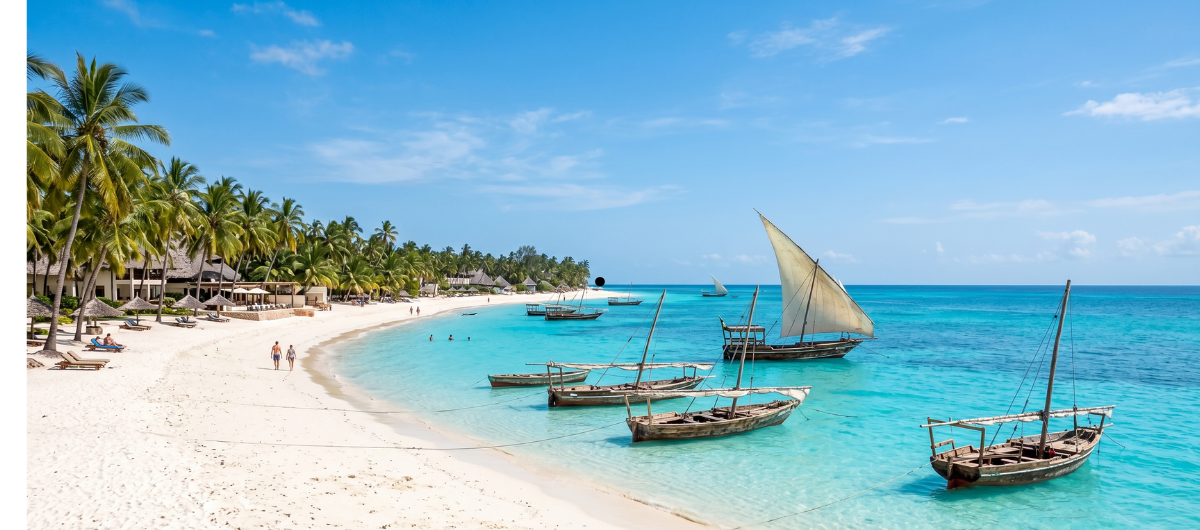
The Zanzibar beaches are the stuff of postcards: powdery white sand, swaying palm trees, and the warm, impossibly turquoise waters of the Indian Ocean. After early morning wake-up calls and bumpy 4×4 game drives, spending a few days lounging on the shores of Nungwi, Kendwa, or Matemwe is the perfect concluding chapter to your trip.
Beyond the beaches, Zanzibar is steeped in history. The winding, aromatic alleys of Stone Town—a UNESCO World Heritage site—offer a sensory overload of Swahili architecture, bustling spice markets, and intricately carved wooden doors that tell tales of ancient trade routes.
- The 2026 Edge: Zanzibar has seen a surge of high-end, eco-friendly boutique resorts that prioritize marine conservation. Many properties now offer ethical dolphin watching, coral reef restoration diving programs, and community-led spice tours that ensure fair wages for local farmers.
- Practical Tip: Don’t just stay at your resort. Book a traditional Dhow sailing cruise at sunset and take a guided spice tour to understand why Zanzibar is famously known as the “Spice Island.”
7. Deep, Ethical Cultural Immersion
A safari is deeply enriched when you take the time to understand the human history of the land. Tanzania is home to over 120 distinct ethnic groups, offering a rich tapestry of cultures. The most famous are the Maasai, easily recognizable by their vibrant red shukas and intricate beadwork, who have coexisted with the wildlife of the Rift Valley for centuries.
Equally fascinating are the Hadzabe people near Lake Eyasi, one of the last remaining hunter-gatherer tribes in Africa. Visiting these communities provides a profound, humbling perspective on human resilience and traditional ways of living that are deeply tied to the natural world.
- The 2026 Edge: The tourism industry has moved past performative “village tours.” In 2026, the focus is on respectful, community-led, and ethical cultural exchanges. Visits are designed to ensure that the communities retain their dignity, control the narrative, and receive direct, meaningful financial benefits from your presence.
- Practical Tip: When visiting local communities, always ask for permission before taking photographs. Engage with your hosts, ask questions through your guide, and consider purchasing handmade crafts directly from the artisans to support the local micro-economy.
8. Seamless Infrastructure and Accessibility
One of the primary reasons Tanzania is surging in popularity right now is the massive strides it has made in logistical accessibility. Planning a safari can often seem daunting, but Tanzania safari 2026 logistics are smoother than ever.
Expansions at Kilimanjaro International Airport (JRO) and Julius Nyerere International Airport (DAR) have welcomed a host of new direct international flights from major global hubs in Europe, the Middle East, and North America. Furthermore, the internal network of light aircraft flights (operated by regional carriers like Coastal Aviation and Auric Air) runs with clockwork precision, connecting even the most remote bush airstrips seamlessly.
- The 2026 Edge: Upgraded telecommunications infrastructure means that even in the heart of the Serengeti, many lodges now offer reliable, high-speed Starlink Wi-Fi. While disconnecting is highly encouraged, the ability to stay reliably connected for safety, sharing photos, or remote work emergencies makes Tanzania highly appealing to the modern traveler.
- Practical Tip: Pack light and use soft-sided duffel bags. The strict weight limit for internal bush flights is typically 15kg (33 lbs) per person, inclusive of hand luggage. Soft bags are required to fit into the small cargo holds of Cessna aircraft.
Answer the Call of the Wild in 2026
Tanzania is not just a destination; it is an awakening. It is the rumble of a lion’s roar vibrating in your chest at midnight; it is the scent of wild sage crushed beneath the tires of your Land Cruiser; it is the profound silence of a crimson sunset over the acacia-dotted plains.
By seamlessly blending the heart-pounding excitement of the Great Migration and the Serengeti National Park with the restorative calm of Zanzibar beaches, this country offers a perfectly balanced itinerary. Furthermore, through its unwavering commitment to conservation tourism and the elevation of luxury safari lodges, a trip here in 2026 is an investment in the future of our planet’s most vital ecosystems.
There has never been a better time to witness the magic of East Africa. As global travel surges, availability at premium camps is filling up faster than ever. Do not let this year pass you by without experiencing the pinnacle of nature’s majesty.