
A Golden Savannah, a Thunderous Journey
Every single year, more than 1.5 million wildebeests, flanked by hundreds of thousands of zebras and gazelles, embark on a relentless, circular trek across the Serengeti ecosystem, driven by a primal instinct to find fresh rain-ripened grass and water.
For anyone dreaming of an authentic safari in East Africa, witnessing the migration in person is the ultimate bucket-list experience. From the sweeping, sun-drenched plains to the heart-stopping, crocodile-infested river crossings, Tanzania offers a front-row seat to nature in its rawest, most beautiful form.
If you’re gearing up for the adventure of a lifetime, this detailed guide will walk you through everything you need to know about experiencing the Great Migration in Tanzania in 2026. We’ve got you covered on the best times to visit, where the action happens, and how to choose the perfect safari package.
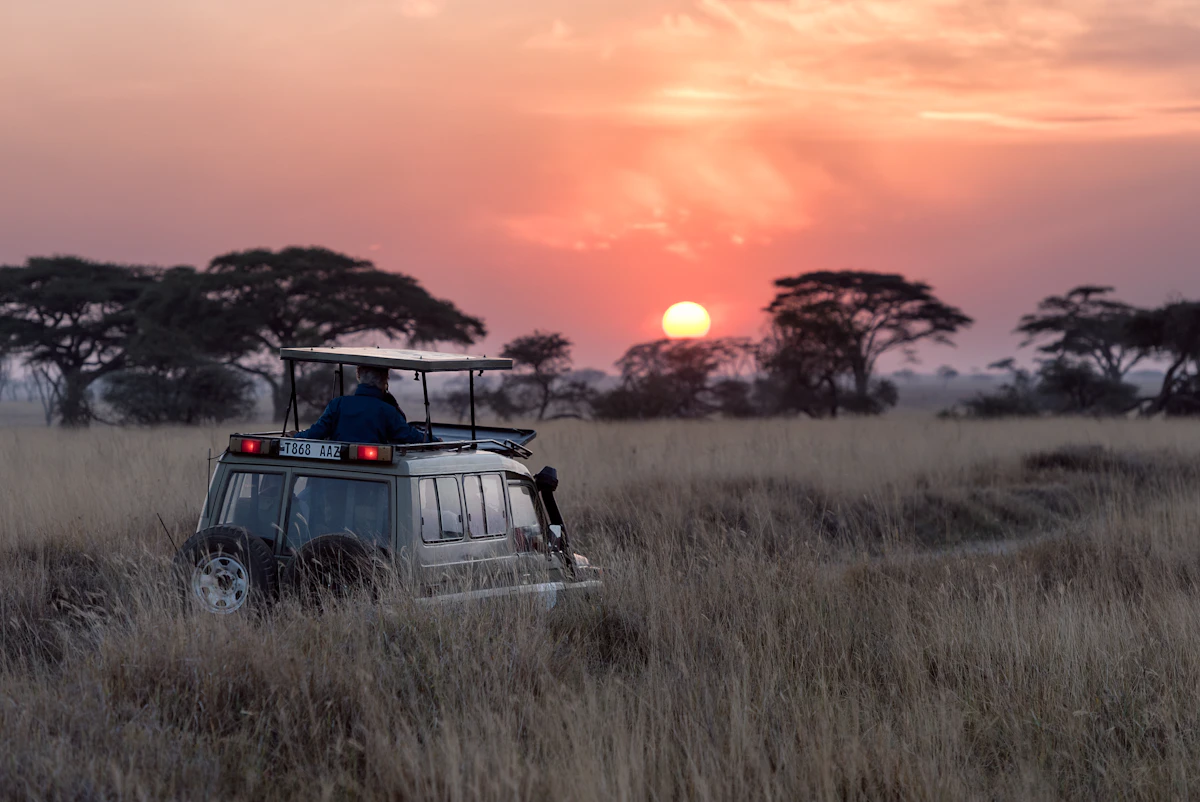
Ready to start planning? Let the experts handle the logistics. Partner with Tanzania Wildlife Adventures to craft a customized, unforgettable wildlife experience.
What Exactly Is the Great Wildebeest Migration?
At its core, the Great Wildebeest Migration is a never-ending quest for survival. It’s the annual movement of wildlife through the vast Serengeti-Mara ecosystem, flowing beautifully between Tanzania’s iconic Serengeti National Park and Kenya’s Maasai Mara National Reserve.
The sheer scale of the “cast” is mind-boggling. The migration involves:
- Over 1.5 million fiercely determined wildebeests
- Roughly 250,000 zebras (who act as the “navigators” and tall grass grazers)
- Hundreds of thousands of nimble gazelles
- A trailing shadow of apex predators: lions, cheetahs, leopards, hyenas, and giant Nile crocodiles
Because the Serengeti ecosystem is so massive and biologically diverse, it provides the perfect stage for this continuous cycle, supporting one of the largest concentrations of free-roaming animals left in the world.
Why Does the Great Migration Happen?
There is no leader and no starting line. The migration is entirely dictated by the weather. Wildebeests are highly dependent on fresh, phosphorus-rich grass and water, so they are constantly on the move, chasing the seasonal rains.
When the rains drench the Southern Serengeti, the plains explode with nutritious green shoots, drawing the massive herds in. But as the dry season inevitably creeps in, the grass yellows and waterholes dry up, prompting the animals to march steadily northward. It’s a vital natural rhythm that distributes nutrients across the plains and sustains the resident predator populations.
Your 2026 Great Migration Calendar
Timing is everything. Understanding where the herds will be during your 2026 trip will help you plan the absolute perfect safari.
January to March – Calving Season in the Southern Serengeti
The year kicks off in the lush Ndutu region and the sweeping plains of the Southern Serengeti. This is calving season! Within just a few weeks, approximately 500,000 wildebeest calves are born into the world. It’s a time of new life, but it also means predators are highly active, taking advantage of the vulnerable newborns.
Why visit now?
- Heart-melting sights of wobbly newborn calves
- Intense, action-packed predator sightings (lions, hyenas, cheetahs)
- Lush, emerald-green landscapes perfect for photography
- Fewer tourist crowds than the mid-year peak season
April to June – Central Serengeti & Grumeti River Crossings
As the long rains taper off, the herds organize into massive columns and begin their trek northwest through the Central Serengeti, heading toward the Western Corridor. This is when you’ll witness the spectacular, seemingly endless lines of animals marching across the horizon. Here, they face their first major obstacle: the Grumeti River. Though less famous than the Mara crossings, the Grumeti crossings are thrilling and attract giant, hungry crocodiles.
July to October – The Dramatic Mara River Crossings
This is the blockbuster event. The herds push into the Northern Serengeti and must cross the treacherous Mara River. The tension is palpable as thousands of wildebeests gather on the steep banks. Suddenly, panic takes over, and they plunge into the rushing, crocodile-filled waters in a desperate bid to reach the other side.
For many, this heart-stopping drama is the absolute pinnacle of a Serengeti safari in Tanzania.
- Unpredictable, highly emotional river crossings
- World-class game viewing and predator action
- The ultimate time for luxury, high-end safari experiences
November to December – The Journey Back South
Prompted by the short rains, the survivors of the northern trek turn around and head back south toward the Ndutu plains to start the cycle all over again. The skies are dramatic, the air is clear, and the birdwatching is absolutely phenomenal as migratory birds arrive.
Best Places to Witness the Migration in Tanzania
While the animals are always on the move, Serengeti National Park is undisputedly the premier destination to see them. Depending on when you travel in 2026, you’ll want to target specific regions:
- Southern Serengeti (Ndutu): The nursery of the migration; best visited between January and March.
- Central Serengeti (Seronera): The big cat capital; offers excellent year-round wildlife viewing as the herds pass through.
- Western Corridor: Home to the Grumeti River crossings in May and June.
- Northern Serengeti (Kogatende): The stage for the legendary Mara River crossings from July to October, offering a much more exclusive vibe than the crowded Kenyan side.
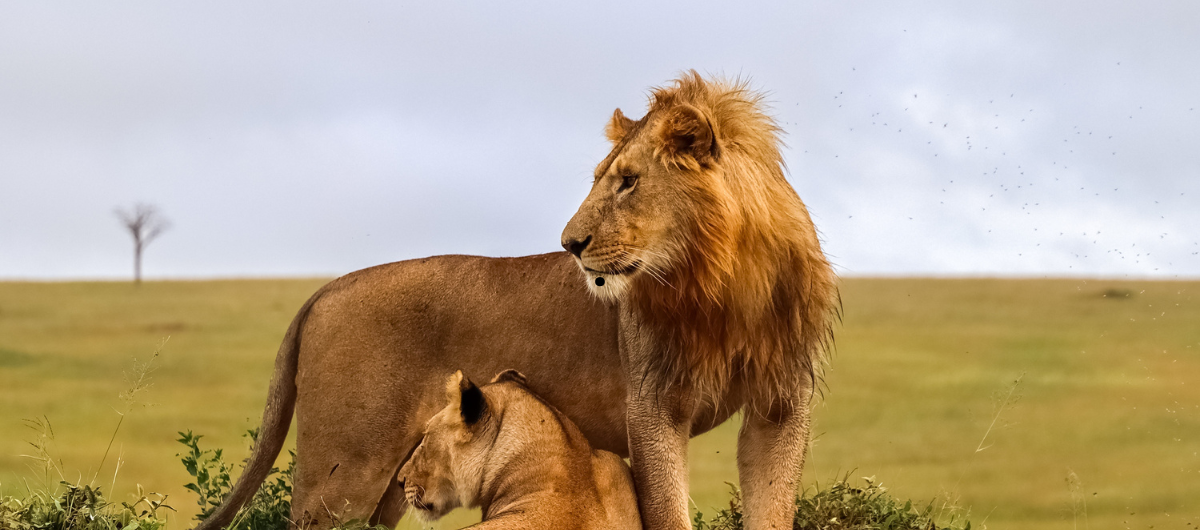
Why Tanzania is Africa’s Ultimate Safari Destination
Tanzania doesn’t just offer a safari; it offers the safari. The country has fiercely protected its natural heritage, resulting in vast, unfenced wilderness areas that feel untouched by the modern world. Beyond the Serengeti, a Tanzanian itinerary can easily include:
- The breathtaking Ngorongoro Crater (a haven for the Big Five)
- The elephant-rich Tarangire National Park
- The tree-climbing lions of Lake Manyara
- Post-safari relaxation on the pristine, white-sand beaches of Zanzibar
Where to Rest Your Head: Safari Accommodations
Where you stay can elevate your safari from great to magical. Tanzania caters to every travel style:
- Luxury Safari Lodges: Think infinity pools overlooking the plains, private game drives, and gourmet dining under the stars.
- Tented Camps: Don’t let the word “tent” fool you. These offer “glamping” at its finest—canvas walls, plush beds, en-suite bathrooms, and the thrill of hearing a lion roar in the distance at night.
- Mobile Camps: The ultimate migration hack. These camps literally pack up and move with the herds, guaranteeing you are always close to the action.
Pro Tip: 2026 accommodations for the July-October peak season will sell out months in advance. Book early!
Insider Travel & Photography Tips
To make the most of your 2026 adventure, keep these tips in mind:
- Pack smart: Bring neutral-colored, breathable clothing. Layers are key for chilly morning game drives.
- Gear up: Binoculars are an absolute must. For photographers, a good zoom lens (at least 300mm) will be your best friend.
- Be patient: River crossings can take hours of waiting. The best wildlife moments happen when you just sit quietly and let nature unfold.
- Go with the pros: Working with a reputable, local operator ensures you have a knowledgeable guide who can anticipate animal behavior.
Frequently Asked Questions
How long does the Great Migration last?
It never stops! It is a continuous, year-round cycle through the Serengeti-Mara ecosystem.
Are safaris safe for kids?
Absolutely. Many lodges and tour operators offer fantastic family-friendly packages with customized activities for children.
Is Tanzania safe for tourists?
Yes, Tanzania is consistently ranked as one of the safest, most welcoming safari destinations in all of Africa.
Stop 09 · Plan Your 2026 Safari
Ready for the Adventure of a Lifetime?
The Great Wildebeest Migration in Tanzania 2026 is calling. Whether you are a passionate wildlife photographer, a couple seeking the ultimate romantic honeymoon, or a family looking to create memories that will last generations, the Serengeti is waiting for you.
Don’t leave a trip this important to chance. Reach out to the local experts at Tanzania Wildlife Adventures today, and let them turn your African safari dreams into a breathtaking reality.