
The Global Phenomenon of a Simple Phrase
If you are planning a safari in Tanzania, preparing for a trek up Mount Kilimanjaro, visiting the spice island of Zanzibar, or simply curious about African languages, understanding the Hakuna Matata meaning gives you a much richer appreciation of the country’s culture and hospitality. It is a phrase that transcends borders, yet its heart remains firmly planted in the red dust and golden savannahs of East Africa.
For decades, international audiences have associated these two words with a carefree lifestyle, a singing meerkat, and a dancing warthog. But beyond the realm of animated cinema, Hakuna Matata represents a profound cultural philosophy. It is a testament to resilience, a commitment to hospitality, and a daily reminder to focus on what truly matters. In Tanzania, this phrase is not just a catchy slogan printed on tourist t-shirts; it is an active, breathing part of the national ethos.
What Does Hakuna Matata Really Mean?
To truly grasp the Hakuna Matata meaning, we must look at the linguistic structure of the phrase. Swahili (or Kiswahili) is a beautiful, highly logical Bantu language that serves as the lingua franca of East Africa, bridging hundreds of distinct ethnic groups across Tanzania, Kenya, Uganda, and beyond. It is an official national language of Tanzania, heavily utilized in schools, government, commerce, and daily life.
Linguistic Breakdown
In English, Hakuna Matata translates generally to:
- No worries
- No problems
- Don’t worry
- Everything is okay
- There are no troubles
When breaking the phrase down into its individual grammatical components:
- Hakuna = There is not / There are no
- Matata = Problems, troubles, messes, or worries
Therefore, the direct, literal translation is simply: “There are no problems.”
In everyday conversational context, the absolute closest English equivalent is the laid-back, reassuring phrase: “No worries.” When a Tanzanian says this to you, they are offering peace of mind. It is a verbal comfort blanket, assuring you that whatever minor inconvenience has arisen, it is manageable, temporary, and certainly not worth raising your blood pressure over.
From Local Expression to Global Fame
Many travelers wonder: Is Hakuna Matata a real phrase, or was it invented by Hollywood? The answer is a resounding yes—it is an authentic Swahili expression. While Disney’s 1994 animated masterpiece The Lion King popularized the phrase internationally, catapulting it into the global pop-culture lexicon, the phrase existed long before Simba, Timon, and Pumbaa ever graced the silver screen.
The Musical Origins: Jambo Bwana
Historically, the phrase first gained international musical traction in 1982 thanks to the Kenyan band Them Mushrooms. They released a platinum-selling single titled “Jambo Bwana” (Hello Sir). The catchy, upbeat song featured the chorus “Hakuna Matata,” introducing the phrase to global tourists visiting East Africa. The song essentially served as a musical phrasebook for visitors, teaching them how to say hello, welcome, and “no worries.”
“Jambo, Jambo bwana, Habari gani, Mzuri sana. Wageni, mwakaribishwa, Tanzania yetu, Hakuna Matata.”
By the time Disney adopted the phrase in the 1990s, it was already a well-established part of East African tourism and coastal Swahili culture. You can read more about the fascinating linguistic journey of the phrase on Wikipedia’s Hakuna Matata page or explore its slang evolution on Dictionary.com.
The Deep Cultural Significance in Tanzania
For many Tanzanians, Hakuna Matata is far more than a simple translation or a tourism slogan. It represents a deeply ingrained cultural attitude toward life, hardship, and interpersonal relationships. It is a reflection of the Tanzanian spirit.
The Philosophy of Optimism
Tanzania is a developing nation where daily life can sometimes present unpredictable challenges—from sudden heavy rains washing out dirt roads to unexpected delays in transportation. In many Western cultures, such delays might cause significant stress, anger, or frantic attempts to control the situation. In Tanzania, the cultural response is vastly different.
The Hakuna Matata philosophy does not mean that Tanzanians ignore challenges or lack ambition. Rather, it signifies an attitude of:
- Staying calm under pressure: Accepting what cannot be changed immediately.
- Solving problems without panic: Working methodically through issues.
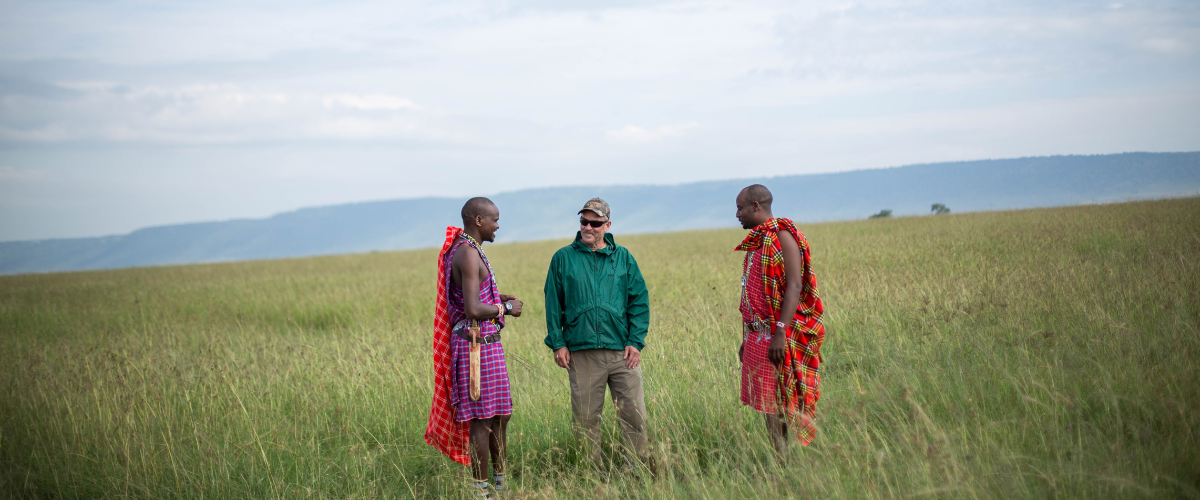
- Welcoming visitors warmly: Ensuring guests feel safe and untroubled.
- Enjoying life’s journey: Prioritizing human connection over strict schedules.
The Connection to “Pole Pole”
You cannot fully understand Hakuna Matata without understanding another vital Swahili phrase: Pole Pole (pronounced po-lay po-lay), which means “slowly, slowly.” In Tanzanian culture, rushing is often viewed as unnecessary and stressful. Whether you are ascending the steep, breathless slopes of Mount Kilimanjaro or simply walking through a vibrant local market in Arusha, locals will remind you to go “pole pole.” When you embrace this slower pace, you naturally arrive at a state of Hakuna Matata.
Hakuna Matata on Safari: How It’s Actually Used
Imagine you are on a bumpy, thrilling game drive in the heart of the Serengeti National Park. The sun is beginning to set, casting a magnificent golden hue over the acacia trees. Suddenly, you hear a loud hiss—your 4×4 safari vehicle has a flat tire in the middle of the savannah.
You might feel a spike of anxiety. Are there lions nearby? Will we miss dinner back at the lodge? You turn to your seasoned safari guide, who is already calmly pulling out a jack and a spare tire with a wide, reassuring smile.
“Hakuna Matata,” the guide says.
In this context, the phrase means: “Do not worry. I have this completely under control. You are safe. Enjoy the beautiful sunset while I fix this.” And within fifteen minutes, you are back on the road, realizing that the flat tire wasn’t a disaster—it was just a brief pause in your adventure.
Everyday Tourism Scenarios
The phrase is heavily utilized in the tourism and hospitality sectors. You will hear it when:
- Your luggage takes a little longer to arrive at your luxury tented camp.
- You ask if it is possible to change your dietary preferences at dinner.
- You inquire if the guide can help you spot a highly elusive leopard. (“We will search the sausage trees. Hakuna Matata!”)
While native speakers in casual, non-tourism settings might use regional slang alternatives like Hakuna shida, Hamna shida, or Hakuna tatizo, they still deeply appreciate and widely use Hakuna Matata, especially when extending hospitality to international guests.
Destinations Where the Phrase Comes Alive
Reading about Hakuna Matata is one thing, but experiencing it is something else entirely. Tanzania offers some of the most breathtaking landscapes on the African continent, and the welcoming spirit of its people makes exploring these destinations truly magical.
Serengeti National Park
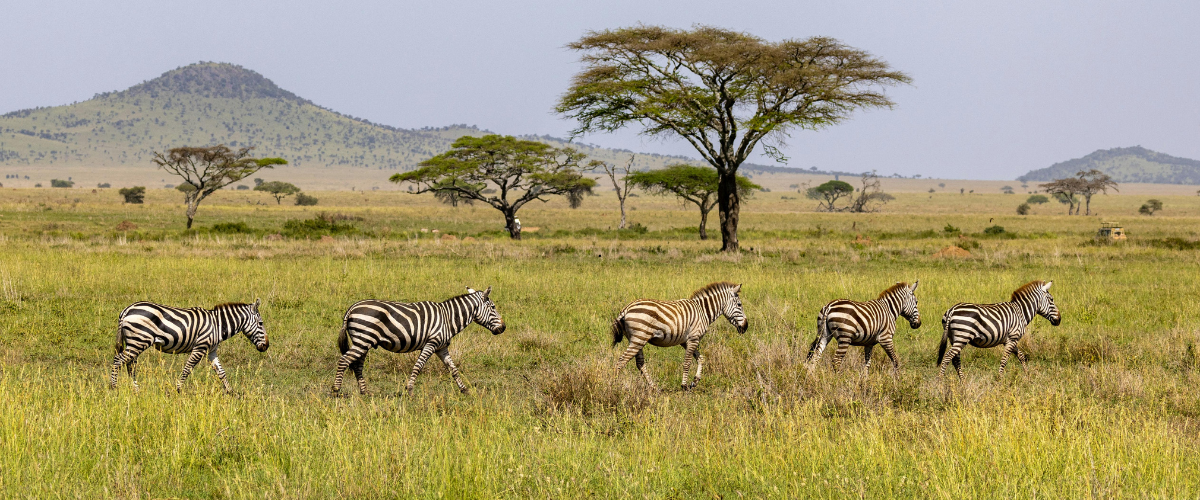
The vast, seemingly endless plains of the Serengeti are the ultimate backdrop for a worry-free adventure. As you witness millions of wildebeest and zebras participating in the Great Migration, the sheer scale of nature puts daily human worries into profound perspective. Out here, under the massive African sky, Hakuna Matata is a state of being. You can learn more about planning a trip here with a Serengeti National Park Travel Guide.
Ngorongoro Conservation Area
Descending into the Ngorongoro Crater feels like entering a lost world. This ancient volcanic caldera is teeming with dense populations of lions, rhinos, elephants, and hippos. The logistics of navigating the steep crater walls and finding the best wildlife viewing spots are entirely managed by your expert guide, leaving you with absolutely nothing to do but marvel at the wildlife. True Hakuna Matata.
Mount Kilimanjaro
Climbing the highest peak in Africa is physically and mentally demanding. Yet, the mountain crews—guides, cooks, and porters—radiate an infectious positivity. When your legs ache and the altitude tests your resolve, the cheerful chorus of “Hakuna Matata” and “Pole Pole” from your guides provides the exact emotional fuel needed to push toward Uhuru Peak.
Zanzibar Archipelago
If there is a geographical embodiment of Hakuna Matata, it is the beaches of Zanzibar. With powdery white sand, warm turquoise waters of the Indian Ocean, and a slow, rhythmic island pace, worries literally wash away with the tide. Here, the phrase is a gentle command to relax, sip a fresh coconut, and watch the dhows sail across the horizon.
Essential Swahili Phrases Every Traveler Should Know
While Hakuna Matata is universally understood, learning just a few additional Swahili words goes a remarkably long way in connecting with local people. Tanzanians are incredibly proud of their language and will respond with immense warmth when a visitor makes an effort to speak it.
| Swahili Phrase | English Translation | Context & Usage |
|---|---|---|
| Jambo | Hello | The most common, friendly greeting you will hear everywhere. Reply with “Jambo!” |
| Karibu | Welcome | Used when you enter a hotel, a home, or a shop. It shows deep hospitality. |
| Asante | Thank you | Essential for expressing gratitude to guides, servers, and locals. |
| Asante Sana | Thank you very much | Used when you are exceptionally grateful for a service or kindness. |
| Pole Pole | Slowly, slowly | A reminder to take your time, be safe, and not rush the experience. |
| Karibu Sana | You’re very welcome | The standard polite reply when someone says “Asante” to you. |
| Safari Njema | Have a safe journey | A warm farewell given as you depart for a game drive or head back home. |
| Ndiyo / Hapana | Yes / No | Basic affirmative and negative responses for simple questions. |
| Tafadhali | Please | Always useful for being polite when making a request. |
Frequently Asked Questions
Does Hakuna Matata literally mean “No Worries”?
Yes, culturally it means exactly that. The most common and accurate conversational English translation is “No worries”, although the strict, literal linguistic meaning translates to “There are no problems.”
Is Hakuna Matata a real, authentic Swahili phrase?
Absolutely. It originated in the Swahili language (Kiswahili), which is spoken extensively across Tanzania, Kenya, Uganda, and other parts of the East African region. It is not a made-up Hollywood phrase.
Did The Lion King invent Hakuna Matata?
No. While Disney made the phrase globally famous in 1994, it existed long before the movie. It was popular in East African coastal culture and was famously featured in the 1982 Kenyan hit song “Jambo Bwana” by Them Mushrooms.
Can tourists say Hakuna Matata to locals?
Yes, absolutely. Locals generally understand, appreciate, and encourage it, especially when used respectfully. It shows that you are embracing the local culture and the relaxed pace of Tanzanian life.
Are there other ways to say “no problem” in Tanzania?
Yes. While Hakuna Matata is common, locals often use phrases like Hamna shida (no problem) or Hakuna shida in everyday, casual street conversation.
Ready to Experience Hakuna Matata in Real Life?
Hakuna Matata is so much more than just a famous phrase—it is an open invitation to experience Tanzania’s incredible, diverse landscapes, its abundant wildlife, and its genuinely warm hospitality. When you travel with expert local guides, every detail is handled for you, leaving you completely free to embrace the true meaning of the phrase.
Whether you are dreaming of witnessing the thundering hooves of the Great Wildebeest Migration, exploring the vast plains of the Serengeti, descending into the magical Ngorongoro Crater, conquering the snowy peaks of Mount Kilimanjaro, or simply relaxing on Zanzibar’s pristine white-sand beaches, you deserve a trip completely free of problems.
Let the experts at Tanzania Wildlife Adventures handle the logistics while you focus on the adventure of a lifetime. To learn more about Tanzania’s vibrant language, culture, and travel requirements, you can also explore resources provided by the Official Tanzania Tourist Board.