
Why Zanzibar: An Island Built on Trade Winds and Spice
Long before it was a postcard, Zanzibar was a port — the hinge between Africa, Arabia and India, where dhows still run on the same monsoon winds that carried cloves and cinnamon out of these harbours for centuries. That history is still legible everywhere: in the carved doors of Stone Town, in the smell of a spice farm at midday, in a plate of grilled kingfish eaten with your feet in the sand.
Spend a morning in the old town, an afternoon over a reef, and an evening watching a dhow cut across an orange horizon — Zanzibar rarely asks you to choose between culture and coastline.
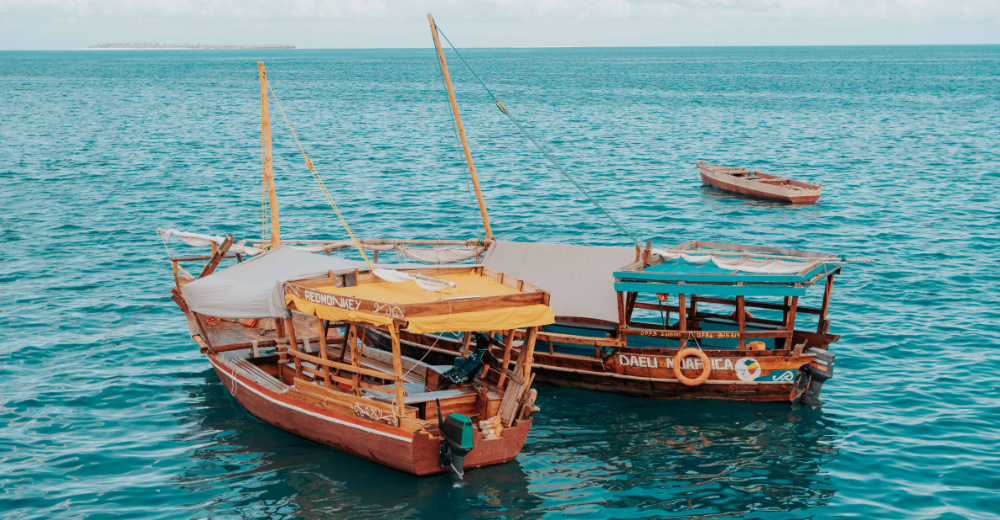
Crystal water, carved wooden doors, and the smell of cloves on the wind — Zanzibar is where the Swahili coast shows off. Whether you come for pure beach time, underwater exploration, or a deep dive into Swahili culture, the island delivers all three without compromise.
Stone Town: Wander the Old Quarter
A UNESCO-listed maze of coral-stone alleys, brass-studded doors and rooftop cafés — Stone Town remains the cultural heart of the island. Getting lost here is half the pleasure.
- House of Wonders — once the tallest building in East Africa and a symbol of the island’s trading past.
- The Old Fort — thick walls, open-air amphitheatre, and a living reminder of successive rulers.
- Freddie Mercury’s birthplace — the childhood home of the Queen frontman, still a quiet point of pilgrimage for music fans.
- Spice and souvenir markets — fragrant stalls, carved doors, textiles, and the everyday pulse of the town.
Allow at least half a day — preferably a full day — to explore on foot, stop for coffee on a rooftop, and watch the light change over the harbour.
North Coast: Nungwi & Kendwa Beaches
The whitest sand and calmest water on the island, backed by beachfront kitchens and a horizon full of sailboats. Nungwi and neighbouring Kendwa are the classic beach-holiday base for most visitors.
- Swimming and snorkelling in clear, protected water
- Scuba diving with local operators
- Sunset dhow cruises that turn the sky orange and gold
- Beachfront restaurants and resorts ranging from simple to ultra-luxury
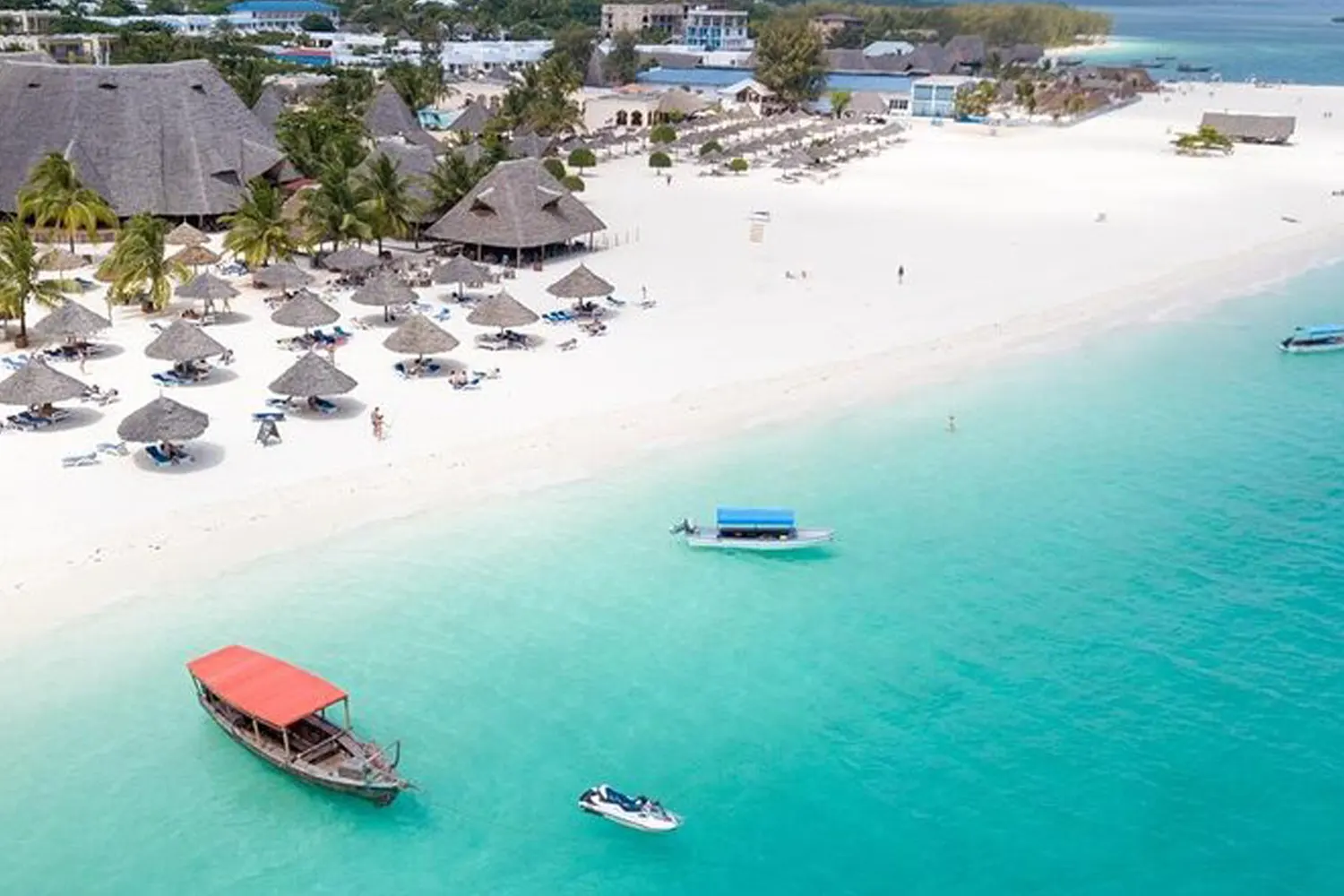
These beaches are ideal for pure relaxation, families, and honeymooners who want easy access to both water sports and long, empty stretches of sand.
Jozani Forest: Meet the Red Colobus
The last significant patch of dense forest on Zanzibar, and the only place on Earth where the endangered Zanzibar red colobus monkey lives in the wild. A guided walk here is one of the island’s most memorable nature experiences.
- Guided forest walks with knowledgeable local rangers
- Wildlife photography opportunities at close range
- Mangrove boardwalk through coastal wetlands
- Bird watching among a surprising variety of species
Combine Jozani with a morning in Stone Town or an afternoon on the east coast for a well-balanced day that mixes culture, nature and beach.
Spice Farms: Follow Your Nose
Walk a working plantation and learn to identify the crops that gave this island its name and its fortune. The scent of cloves, cinnamon and vanilla hangs in the air; guides crush leaves and fruit so you can smell and taste the difference.
- Clove and cinnamon — the historic backbone of the island’s trade
- Vanilla and nutmeg
- Cardamom and black pepper
- Fresh tropical fruit tastings straight from the trees
A spice-farm visit is short, sensory and perfect for families or anyone who wants a deeper connection to Zanzibar’s living agricultural heritage.
Mnemba Atoll: Dive the Reef
East Africa’s benchmark for underwater visibility — a ring of coral protected as a private marine sanctuary just off the northeast coast. Snorkelling and diving here routinely rank among the best in the region.
- Coral reef snorkelling with exceptional clarity
- Encounters with dolphins and sea turtles
- Outstanding underwater visibility on good days
- Small-group dive trips that keep the experience personal
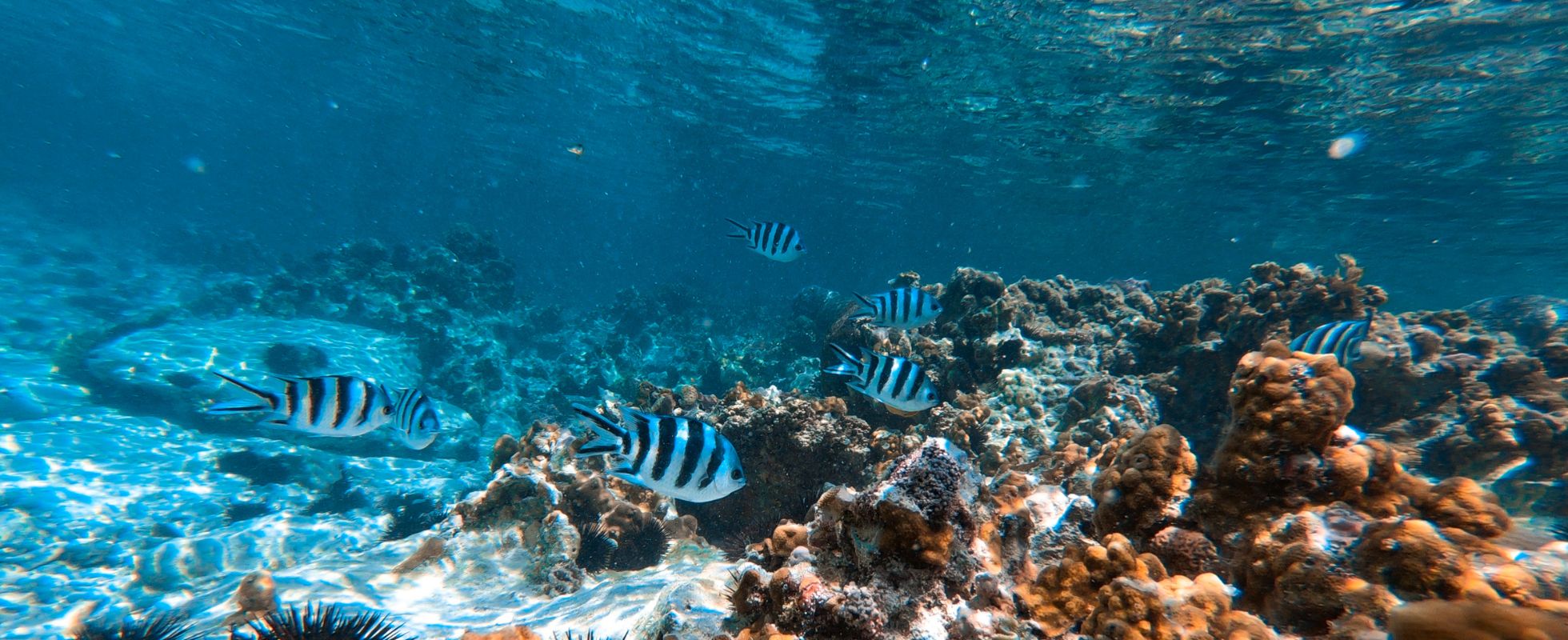
Book through reputable operators; the atoll is carefully managed and numbers are limited to protect the reef.
When to Go: Planning Around the Monsoon
Zanzibar is warm year-round, but the sea and sky change with the monsoon. Choosing the right window makes a noticeable difference to swimming, diving and overall comfort.
| Season | What to Expect |
|---|---|
| June – October | The long dry season and the island’s busiest, most reliable stretch of weather. Sunny, low-humidity days, calm seas for diving and snorkelling, and easy pairing with a mainland safari. |
| January – February | A brief second dry spell — warm, clear and quieter than peak season. Excellent for travellers who want good weather without the highest crowds. |
| March – May | The long rains. Rates drop significantly, but heavy showers can interrupt outdoor plans. Best for flexible travellers focused on value and culture rather than perfect beach days. |
Sample Routes: Itineraries Worth Stealing
Whether you have a long weekend or a full week, these frameworks give a realistic sense of what is possible.
- 2 days — Focused Stone Town exploration: alleys, markets, rooftop views and harbour sunsets.
- 3 days — Stone Town, a spice tour and a short boat trip to Prison Island.
- 4 days — Add Jozani Forest for red colobus monkeys and mangrove walks.
- 5 days — Mnemba Atoll snorkelling escape combined with beach time on the northeast or north coast.
- 5 days — Matemwe coast relaxation paired with a full day in Stone Town.
- 8 days — Luxury resort and spa stay (for example Emerald Zanzibar) with optional cultural and water activities woven in.
These are starting points only. The best itineraries are built around your preferred pace — pure beach, culture-heavy, or a balanced mix.
Pair It with the Mainland: Safari Then Beach
Tanzania is one of the few places where the Big Five and a coral reef are a single short flight apart. A few days chasing wildlife through the Serengeti or Tarangire, then straight to Zanzibar to do nothing at all — few combinations cover this much ground with so little logistical friction.
Typical patterns include:
- 3–5 days Northern Circuit safari (Serengeti, Ngorongoro, Tarangire) followed by 4–7 days on Zanzibar.
- A shorter fly-in safari to a single park, then a longer beach stay for pure recovery.
- Reverse order for travellers who prefer to end with wildlife rather than sand.
Flights between the mainland and Zanzibar are frequent and short; transfers and baggage can be handled end-to-end by a single operator.
Who’s Planning It: Tanzania Wildlife Adventures
Local guides, tailor-made routes, and every logistical detail handled between your arrival and departure. Tanzania Wildlife Adventures specialises in both mainland safari and Zanzibar beach combinations so the transition from bush to beach feels seamless.
- Expert local guides
- Tailor-made packages
- Airport transfers
- Curated accommodation
- Cultural tours
- Water sports and reef excursions
- Safari + beach itineraries
- Eco-friendly travel options
- End-to-end trip planning
Whether you want a simple beach escape or a fully integrated safari-and-island journey, the team builds the itinerary around what you actually want to do.
Frequently Asked Questions
Is Zanzibar safe for tourists?
Yes — it is generally considered a safe destination when you follow normal travel precautions. Stick to well-reviewed operators, avoid isolated areas at night, and keep valuables secure. Most visitors experience no issues.
Do I need a visa?
Requirements depend on your nationality. Many travellers can obtain a visa on arrival or online in advance. Always check the latest immigration rules for your passport before you travel.
Can I combine Zanzibar with a safari?
Absolutely. Many travellers pair Tanzania’s mainland parks (Serengeti, Ngorongoro, Tarangire and others) with several days on Zanzibar’s beaches. Short internal flights make the combination straightforward and popular.
Is it suitable for families and honeymooners?
Yes. The island offers family-friendly resorts, romantic beachfront stays, cultural excursions and enough adventure activities (snorkelling, dhow trips, spice tours, forest walks) for almost every travel style and age group.
How many days should I spend on Zanzibar?
Three to five days works well for a balanced introduction (Stone Town + beaches + one or two activities). A full week allows deeper relaxation and more time for Mnemba, Jozani and slower exploration of the coasts.
What is the best base for a first visit?
Nungwi or Kendwa on the north coast for classic white-sand beaches and calm water; the northeast (Matemwe area) for a quieter feel and easy access to Mnemba; Stone Town itself if culture is your priority.
Start Planning Your Zanzibar Beach Holiday
Sunsets over dhows, reef dives at Mnemba, spice markets in Stone Town — Tanzania Wildlife Adventures builds the itinerary around what you actually want to do. Whether you arrive straight from the mainland parks or fly in for a pure island break, every logistical detail is handled from arrival to departure.


