When most travelers think about a Tanzania safari, they often imagine dry golden plains, dusty roads, and animals gathering around waterholes under a bright African sun. While the dry season is popular for good reason, there is another side of Tanzania that many visitors overlook: the green season.
The green season in Tanzania usually falls between November and May, with short rains around November and December and longer rains from March to May. During this time, the landscapes come alive. The plains turn fresh and green, flowers bloom, newborn animals appear, migratory birds arrive, and the national parks feel quieter and more peaceful.
For travelers who want a beautiful, rewarding, and often more affordable safari experience, the green season can be one of the best times to visit Tanzania. It offers a different kind of magic—softer, calmer, more colorful, and deeply connected to nature.
The green season refers to the months when Tanzania receives seasonal rains, transforming the country’s parks and reserves into lush, vibrant landscapes. Instead of dry grass and dusty tracks, visitors see open plains covered in fresh greenery, dramatic skies, and active wildlife.
This does not mean it rains all day every day. In many areas, rain often comes in short showers, usually in the afternoon or evening, leaving plenty of time for game drives and sightseeing. Mornings can be clear and beautiful, with soft light that is perfect for photography.
The exact weather can vary depending on the region. Northern Tanzania destinations such as Serengeti National Park, Ngorongoro Crater, Tarangire, and Lake Manyara can still offer excellent safari experiences during this season. In fact, some wildlife experiences are at their very best during the green months.
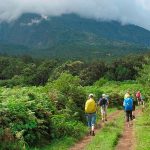
One of the biggest reasons to visit Tanzania during the green season is the scenery. After the rains begin, the land changes quickly. Dry plains become fresh grazing fields, trees grow greener, and the whole environment feels alive.
In Serengeti National Park, the endless plains take on a rich green color, creating a breathtaking contrast with the blue sky and dramatic clouds. In Ngorongoro Crater, the grasslands become more beautiful, and wildlife spreads across the crater floor. Tarangire and Lake Manyara also feel refreshed, with greener vegetation and excellent birdlife.
For many travelers, this is the Tanzania they did not expect. It feels peaceful, romantic, and natural. The landscapes are not only beautiful to see but also wonderful to photograph. If you enjoy wide-open views, dramatic skies, and colorful scenery, the green season is a fantastic time to visit.
Some people think wildlife viewing is only good during the dry season, but Tanzania’s green season can still offer incredible animal sightings. In many areas, animals are active and healthy because food and water are more available.
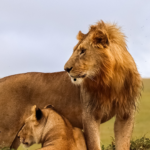
The fresh grass attracts large numbers of grazers such as wildebeest, zebra, gazelle, buffalo, and antelope. Where there are herbivores, predators are never far away. Lions, cheetahs, leopards, and hyenas remain active throughout the year, and the green season can provide exciting predator sightings.
The Serengeti is especially rewarding during this period. From December to March, the southern Serengeti and Ndutu area become the center of the Great Migration. Huge herds of wildebeest and zebra gather on the short grass plains, creating one of the most impressive wildlife spectacles in Africa.
One of the greatest highlights of visiting Tanzania during the green season is the wildebeest calving season. This usually happens between January and March in the southern Serengeti and Ndutu region.
During this time, thousands of wildebeest calves are born within a few weeks. It is a moving and unforgettable sight. The plains become filled with mothers and young calves, and visitors can witness the beginning of life in the wild.
Of course, the calving season also attracts predators. Lions, cheetahs, hyenas, and jackals follow the herds closely, looking for opportunities. This creates dramatic and action-filled safari moments. For wildlife photographers and nature lovers, it is one of the most powerful times to be in Tanzania.
Unlike the famous river crossings in the northern Serengeti, which can be unpredictable and crowded, the calving season offers a more intimate and emotional migration experience. It is less about one dramatic crossing and more about daily life, survival, and the natural rhythm of the Serengeti.
Another major advantage of visiting Tanzania during the green season is fewer crowds. The dry season, especially from June to October, attracts many visitors. Popular parks can become busy, particularly around famous wildlife areas.
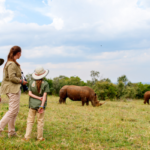
During the green season, the atmosphere is more relaxed. Game drives feel quieter, and you may spend more time enjoying sightings without many other vehicles nearby. This makes the safari experience feel more personal and authentic.
For travelers who prefer peaceful travel, the green season is a wonderful choice. You can enjoy Tanzania’s famous wildlife without feeling rushed or surrounded by crowds. This is especially valuable for honeymooners, photographers, families, and anyone looking for a deeper connection with nature.
Tanzania safaris are a dream experience, but they can also be expensive. One of the best reasons to travel during the green season is that prices are often lower compared to peak season.
Many lodges and camps offer better rates during the low or shoulder season. This means travelers may be able to stay in higher-quality accommodation for less money. For the same budget, you might enjoy a more comfortable lodge, a private safari, or extra days in the parks.
This makes the green season a smart choice for travelers who want excellent value without sacrificing the quality of their safari. You still get incredible wildlife, beautiful landscapes, and professional guiding, but often at a more budget-friendly price.
If you love birds, the green season is one of the best times to visit Tanzania. During this period, migratory birds arrive from Europe and other parts of Africa, joining the resident species already found in the parks.
The result is a colorful and active birding season. You may see bee-eaters, rollers, storks, flamingos, kingfishers, eagles, hornbills, and many more. Many birds are also in breeding plumage, which makes them even more beautiful.
Lake Manyara, Tarangire, Serengeti, and Ngorongoro are all excellent birding destinations during the green season. Even travelers who are not serious birdwatchers often find themselves amazed by the colors and variety.
Bird photography is also excellent at this time because the landscapes are green and the light is often soft. For nature lovers, the green season adds another layer of beauty to the safari experience.
Photography in Tanzania during the green season can be outstanding. The combination of green landscapes, dramatic clouds, soft light, and active wildlife creates beautiful conditions for safari photography.
During the dry season, dust and harsh sunlight can sometimes make photography more challenging. In the green season, the air often feels clearer after rain, and the scenery looks fresh and colorful. Morning and late afternoon light can be especially magical.
Dramatic skies are another bonus. Clouds can add mood and depth to landscape photos, making images more powerful and memorable. Whether you are using a professional camera or just a smartphone, the green season gives you many opportunities to capture stunning photos.
Wildlife also looks healthier and more vibrant at this time. Animals are often surrounded by fresh grass and flowers, creating more natural and attractive images.
Many travelers worry about rain, but the green season does not always mean bad weather. In fact, the weather can be very pleasant. Temperatures are often comfortable, and the rains help cool the air.
Most rain showers are short and do not usually ruin the whole day. You can often enjoy morning game drives, return to camp for lunch, and then go out again in the afternoon. Some days may be cloudy, but cloudy skies can actually improve photography by reducing harsh shadows.
It is important to travel with the right expectations. Roads may be muddy in some areas, and occasional changes to plans can happen. However, with an experienced safari operator and a good guide, the green season can be smooth, enjoyable, and rewarding.
There is something special about traveling when nature is renewing itself. The green season feels less commercial and more intimate. Parks are quieter, animals are active, and the landscapes feel wild and untouched.
You may hear birds calling after a rain shower, watch elephants moving through fresh vegetation, or see lions resting under dramatic skies. These moments often feel calm and personal.
For many travelers, this peaceful atmosphere becomes one of the most memorable parts of the trip. It allows you to slow down, observe more carefully, and truly appreciate the beauty of Tanzania.
If you have already visited Tanzania during the dry season, the green season offers a completely different experience. The same parks can look and feel new. Serengeti, Tarangire, Ngorongoro, and Lake Manyara each reveal a softer, greener side.
Repeat travelers often appreciate the green season because it shows more of the natural cycle. Instead of focusing only on classic dry-season wildlife viewing, you experience birth, growth, migration, birdlife, and changing landscapes.
It is also a great time for travelers who enjoy photography, conservation, and deeper nature experiences. The green season is not just about seeing animals; it is about understanding the rhythm of the ecosystem.
Serengeti is one of the top destinations during the green season, especially the southern Serengeti and Ndutu area from December to March. This is where the Great Migration herds gather for calving season. It is a perfect place to see wildebeest, zebra, predators, and open plains full of life.
Ngorongoro Crater offers excellent wildlife viewing throughout the year. During the green season, the crater becomes especially beautiful, with green grass, clear air, and active animals. It is also one of the best places to see a wide variety of wildlife in a relatively small area.
Tarangire is famous for elephants and baobab trees. While it is most popular in the dry season, the green season gives the park a quieter and more scenic feel. Birdwatching is excellent, and the landscapes become lush and peaceful.
Lake Manyara is a beautiful destination during the green season, especially for bird lovers. The park offers forests, lake views, flamingos, monkeys, elephants, and sometimes tree-climbing lions. It is a great addition to a northern Tanzania safari itinerary.
For travelers with limited time, Arusha National Park is a lovely green season destination. It offers beautiful views, forests, giraffes, buffaloes, flamingos, and Mount Meru scenery. It is ideal for a day trip or a gentle start to a longer safari.
Packing well can make your green season safari more comfortable. Bring lightweight clothing in neutral colors, a rain jacket, comfortable shoes, sunscreen, insect repellent, and a hat. A waterproof bag or camera cover is useful for protecting electronics during showers.
Binoculars are also helpful, especially for birdwatching. If you enjoy photography, bring extra memory cards, batteries, and a lens cloth because moisture and dust can still be present.
Even during the rainy season, the sun can be strong, so sun protection is important. Evenings and early mornings can feel cool, so a light jacket is also recommended.
Yes, the green season can be a great time for family safaris. Fewer crowds, better prices, and beautiful landscapes make it a good choice for families who want a relaxed experience. Children often enjoy seeing baby animals, colorful birds, and dramatic wildlife scenes.
Families should work with a trusted safari operator to choose suitable lodges and routes. Some roads may be more challenging after rain, so planning with local knowledge is important.
A well-planned green season safari can be educational, exciting, and comfortable for both adults and children.
The green season is also a wonderful time for honeymoon safaris. The landscapes are romantic, the parks are quieter, and lodges may offer better value. Couples can enjoy private game drives, beautiful sunsets, and peaceful moments in nature.
The fresh scenery and fewer crowds create a more intimate safari atmosphere. Combining a green season safari with a Zanzibar beach holiday can make the trip even more special.
This is one of the biggest misunderstandings. Rain usually comes in showers, not nonstop downpours. Many days still have plenty of sunshine and excellent safari conditions.
Wildlife is present all year in Tanzania. During the green season, animals may spread out more because water is available, but sightings can still be excellent, especially in the Serengeti, Ngorongoro, and Ndutu.
Some roads can become muddy, but experienced guides know how to manage green season conditions. Good safari planning helps avoid major problems.
The dry season is excellent, but it is not the only good time to visit. The green season offers unique advantages, including calving season, birdlife, fewer crowds, lower prices, and beautiful scenery.
The green season is ideal for travelers who love nature, photography, birds, peaceful travel, and good value. It is also perfect for those interested in the Great Migration calving season.
You should consider visiting Tanzania during the green season if you want:
Lush green landscapes
Fewer tourists
Better safari rates
Baby animals and predator action
Excellent birdwatching
Dramatic photography conditions
A quieter and more authentic safari experience
If your dream is specifically to see the Mara River crossings, then the dry season from July to October may be better. But if you want beauty, life, value, and a unique safari atmosphere, the green season is a fantastic choice.
Absolutely. Tanzania during the green season is beautiful, peaceful, and full of life. It offers a different but equally rewarding safari experience compared to the dry season.
The parks are greener, the skies are dramatic, the wildlife is active, and the crowds are smaller. From the wildebeest calving season in the Serengeti to colorful birdlife in Lake Manyara and breathtaking views in Ngorongoro Crater, the green season has so much to offer.
For travelers looking for a more affordable, scenic, and meaningful safari, this can be one of the best times to visit Tanzania. It is a season of renewal, growth, and unforgettable wildlife moments.
If you are planning a Tanzania safari, do not overlook the green season. It may surprise you in the best possible way.
Ready to experience Tanzania when nature is at its most beautiful? A green season safari gives you the chance to enjoy lush landscapes, incredible wildlife, fewer crowds, and excellent value. Whether you want to explore the Serengeti, Ngorongoro Crater, Tarangire, Lake Manyara, or combine your safari with Zanzibar, Tanzania offers unforgettable experiences during this special time of year.
Start planning your Tanzania green season safari today and discover a quieter, greener, and more magical side of Africa.