
Understanding the Challenge
Altitude sickness can affect anyone, regardless of age, fitness level, or previous hiking experience. Understanding the symptoms, knowing how your body acclimatizes, choosing an appropriate Kilimanjaro route, and responding correctly when symptoms develop can make a significant difference to your safety and overall experience.
In this guide, we explain Kilimanjaro altitude sickness, its symptoms, causes, prevention strategies, acclimatization tips, and how different routes can affect your risk.
Important: This article provides general travel and altitude information and is not a substitute for professional medical advice. Anyone planning a high-altitude trek should discuss their plans with a qualified healthcare professional and follow the instructions of their mountain guide and medical team.
What Is Kilimanjaro Altitude Sickness?
Altitude sickness occurs when your body struggles to adapt to the lower oxygen availability at high altitude. As you climb Mount Kilimanjaro, the percentage of oxygen in the atmosphere remains approximately the same, but atmospheric pressure decreases. This means each breath delivers less oxygen to your body.
At elevations above approximately 2,500 metres, some people begin experiencing symptoms of acute mountain sickness (AMS). Kilimanjaro is particularly challenging because trekkers can ascend from relatively low elevations to nearly 6,000 metres within several days.
Why Is It a Concern?
Kilimanjaro’s altitude increases dramatically over a relatively short period. You may begin your trek in a warm tropical environment and, within a few days, find yourself walking through alpine desert and eventually high-altitude conditions. The rapid change can place considerable stress on the body.
Altitude sickness is not necessarily related to how fit you are. A very fit athlete can develop altitude sickness, while someone with average fitness may acclimatize successfully. Your previous experience at altitude, ascent speed, individual physiology, hydration, sleep, and other factors can all influence how you respond. This is why Kilimanjaro acclimatization should be a major consideration when planning your climb.
Symptoms of Altitude Sickness
Symptoms of mild altitude sickness can begin several hours after reaching a higher elevation. Not every headache or tired feeling at altitude means you have altitude sickness. Dehydration, exhaustion, sun exposure, and cold temperatures can cause similar symptoms. However, any new symptoms at altitude should be taken seriously and communicated to your guide.
Mild Acute Mountain Sickness (AMS)
A person with mild symptoms may experience a headache combined with one or more of the following:
- Nausea or loss of appetite
- Dizziness
- Fatigue or weakness
- Difficulty sleeping
- Shortness of breath during activity
- General feeling of being unwell
Action: Do not continue ascending if symptoms worsen. Your guide will monitor your condition.
High-Altitude Cerebral Edema (HACE)
Swelling of the brain. This is a life-threatening medical emergency. Warning signs include:
- Severe confusion
- Difficulty walking normally
- Loss of coordination
- Unusual behaviour
- Severe weakness
- Reduced consciousness
Action: Requires immediate descent and urgent medical attention.
High-Altitude Pulmonary Edema (HAPE)
Fluid accumulation in the lungs. This is a life-threatening medical emergency. Warning signs include:
- Severe breathlessness
- Breathlessness while resting
- Persistent cough or chest tightness
- Unusual weakness
- Blue or grey lips or fingers
- Very rapid breathing
Action: Requires immediate descent and urgent medical attention.
How Does Your Body Acclimatize?
Acclimatization is your body’s process of adapting to reduced oxygen availability. As you spend time at altitude, your body makes physiological adjustments that help improve oxygen delivery. These adaptations take time.
That is why climbing too quickly can increase the likelihood of altitude-related problems. A well-designed itinerary gives your body more opportunities to adapt before reaching extreme elevations. This is one reason experienced trekkers often recommend choosing a longer Kilimanjaro route rather than focusing only on the shortest or cheapest itinerary.
The “Climb High, Sleep Low” Principle

One of the useful concepts in altitude trekking is climb high, sleep low. This means walking to a higher elevation during the day and then returning to a lower elevation to sleep. The strategy can give your body exposure to higher altitude while allowing you to sleep at a somewhat lower elevation.
Some Kilimanjaro itineraries incorporate this principle naturally through their route profiles. However, trekkers should not attempt to create their own aggressive elevation schedule. Always follow the itinerary designed by your professional trekking team.
How to Prevent Altitude Sickness on Kilimanjaro
There is no guaranteed way to prevent altitude sickness completely, but several strategies can reduce your risk.
- Choose a Longer Route: Routes with more trekking days give your body more time to adapt. Routes like the 8-day Lemosho and 7-day Machame are popular for their gradual ascent profiles.
- Ascend Slowly: Climb high, but give your body enough time to adapt. Your guide will use the principle of “pole pole” (slowly, slowly). This slow pace conserves energy and gives your body more time to adjust.
- Stay Hydrated: You lose fluids through breathing, sweating, and exertion. Drink regularly according to your body’s needs. Monitor your urine colour and pay attention to excessive thirst.
- Avoid Alcohol: Alcohol contributes to dehydration and interferes with sleep. It can also impair judgment, which is undesirable in a demanding mountain environment.
- Eat Properly: Your body uses considerable energy while trekking at altitude. Even if you experience reduced appetite, try to eat regular, balanced meals providing carbohydrates and protein.
- Listen to Your Body: Do not hide symptoms. Tell your guide if you develop a headache, nausea, dizziness, unusual fatigue, or breathing difficulties. Early communication is crucial.
- Follow Your Guide’s Instructions: Qualified Kilimanjaro guides are familiar with changing conditions and altitude management. Do not allow pride or summit pressure to influence decisions about your safety. The summit is optional; getting down safely is essential.
Climb Safely with Expert Guides
Safety on the mountain is paramount. Ensure you trek with experienced, wilderness first-responder certified guides who prioritize proper acclimatization and monitor your health daily.
How Route Choice Affects Your Risk
Not all Kilimanjaro routes are the same. They differ in length, scenery, terrain, camping arrangements, and elevation profiles. For altitude acclimatization, how quickly the itinerary gains elevation is the most important factor.
Lemosho Route
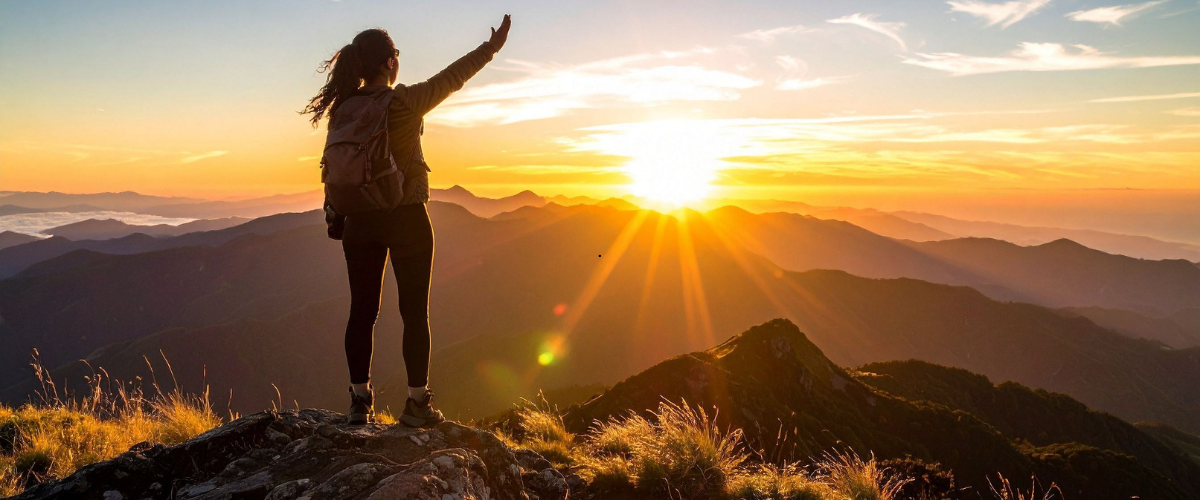
The Lemosho Route is widely regarded as one of the most scenic approaches. It generally offers a longer itinerary, giving trekkers more time to acclimatize. The gradual progression toward higher elevations across diverse environments makes it highly recommended for those concerned about altitude. Climbers wanting a similar western approach on a shorter schedule sometimes consider the 6-day Shira Route instead — but should weigh the reduced acclimatization time carefully before choosing it for altitude-sensitive trekking.
Machame Route
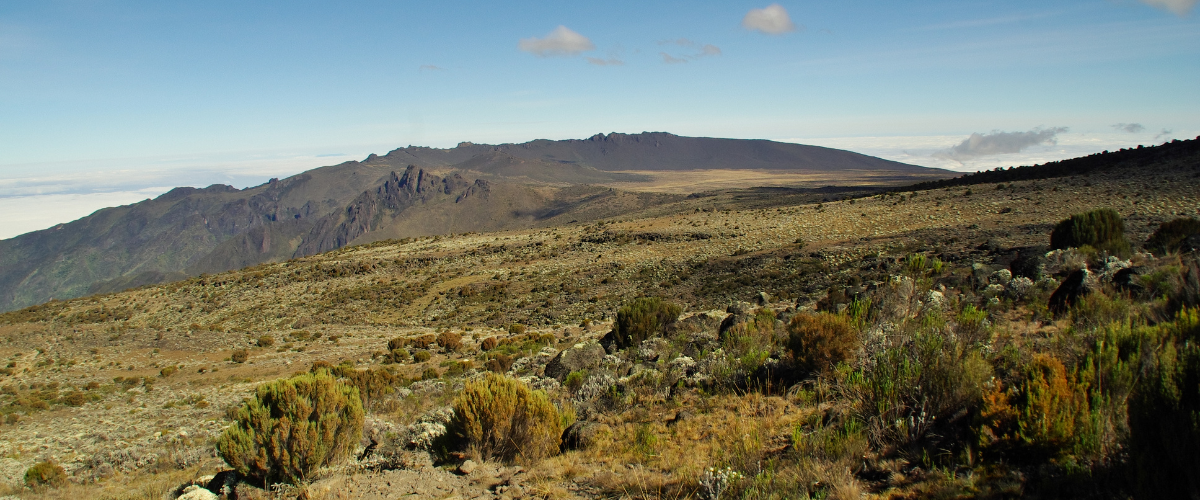
Often called the “Whiskey Route,” Machame is known for dramatic landscapes. It provides great acclimatization opportunities through its “climb high, sleep low” profile. However, it can be physically demanding due to steep sections. Choosing the 7-day Machame itinerary over the 6-day version is highly advised if acclimatization is your priority.
Rongai Route
Approaching from the north, the Rongai Route is quieter and less crowded. As with every itinerary, the number of days is crucial — a longer Rongai itinerary can provide additional time for your body to adjust.
Marangu Route
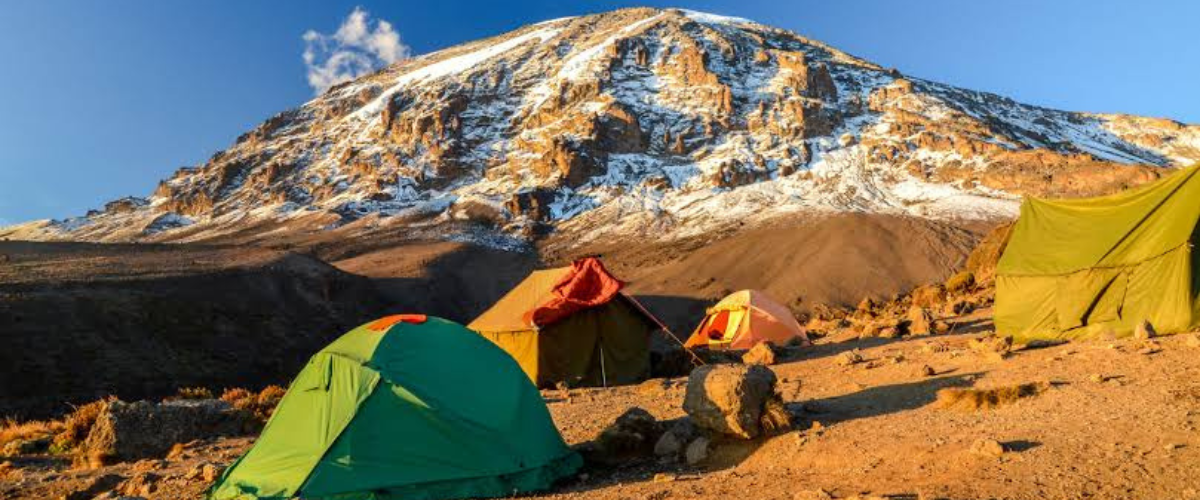
Known as the “Coca-Cola Route,” Marangu features mountain hut accommodations instead of tents. However, the shorter 5-day itinerary provides less time for acclimatization. Trekkers concerned about altitude should carefully consider the 6-day option, which adds an extra acclimatization day.
A Route to Approach with Caution
The Umbwe Route gains elevation quickly and is generally considered the most challenging standard route on the mountain. Its steep, direct profile leaves less built-in time to adjust to altitude, so it is usually better suited to experienced trekkers who are confident in how their body handles altitude, rather than first-time climbers prioritizing acclimatization.
Which Route Is Best for Acclimatization?
If your priority is reducing altitude-related risk, do not choose a route based solely on price, distance, or the number of days. Look at the complete elevation profile. Generally, longer itineraries such as the 8-day Lemosho or 7-day Machame provide better opportunities for acclimatization than very short climbs.
Fitness, Preparation & Action Plans
Does Fitness Prevent Altitude Sickness?
Being physically fit is extremely useful for climbing Kilimanjaro, but fitness does not guarantee protection from altitude sickness. Altitude illness is related to how your body responds to reduced oxygen. A marathon runner can become sick, while a moderately fit trekker may acclimatize successfully. Prepare your cardiovascular fitness, leg strength, and endurance, but combine it with proper acclimatization.
What Should You Do If You Develop Symptoms?
- Stop and tell your guide. Do not continue climbing without discussing your symptoms.
- Rest at your current altitude. Let your trekking team assess whether symptoms are improving.
- Monitor your condition. If symptoms worsen, further ascent should not continue.
- Descend if necessary. Descent is the most important treatment for serious altitude illness.
- Seek medical assistance. Severe symptoms require urgent medical attention.
Never attempt to “push through” severe altitude sickness simply because you are close to the summit. No summit is worth risking your life.
Can Medication Help?
Certain medications may be used to prevent or treat altitude-related illness, but decisions should be made with a qualified healthcare professional. Do not take prescription medication simply because another trekker recommends it. Medication should complement—not replace—appropriate acclimatization.
When Is the Best Time to Climb?
The preferred periods include the drier seasons around January to February and June to October. However, weather conditions do not determine whether you will develop altitude sickness; your ascent profile and acclimatization response are much more important.
What to Pack for an Altitude-Safe Trek
Your equipment should help you remain comfortable and protected as conditions change, reducing physical stress on your body. For a complete packing checklist alongside training and preparation advice, see our tips for climbers guide. Essential items may include:
- Waterproof hiking boots (broken in!)
- Warm base layers and insulating jacket (fleece/down)
- Waterproof jacket and hiking trousers
- Warm hat and gloves
- Trekking poles and headlamp (with extra batteries)
- Sleeping bag (suitable for extreme cold)
- Water bottles or hydration system
- Sunglasses and sunscreen
- Personal medication and first-aid supplies
- High-energy snacks
Frequently Asked Questions
At what altitude does altitude sickness start?
Altitude sickness can begin at elevations above approximately 2,500 metres, although individual responses vary. Kilimanjaro’s summit is 5,895 metres, making altitude a major consideration for every climber.
Can anyone get altitude sickness on Kilimanjaro?
Yes. Altitude sickness can affect people regardless of age, gender, fitness, or previous hiking experience.
Is Lemosho better than Marangu for acclimatization?
A longer Lemosho itinerary can provide more time for acclimatization than a short Marangu itinerary. However, the number of trekking days and exact elevation profile are more important than simply choosing one route over another.
Does drinking more water prevent altitude sickness?
Hydration is important, but drinking excessive amounts of water does not guarantee prevention of altitude sickness. Drink appropriately and follow guidance from your trekking team.
Should I continue climbing if I have a headache?
Do not automatically continue. A headache can be an early symptom of altitude illness. Inform your guide so your condition can be assessed and monitored.
Plan Your Climb Around Acclimatization
Kilimanjaro altitude sickness is one of the most important risks to understand before climbing Africa’s highest mountain. The good news is that careful planning can significantly improve your chances of having a safe and enjoyable trek.
Choose an itinerary that provides adequate time for acclimatization. Avoid rushing. Walk slowly. Stay appropriately hydrated. Eat regularly. Avoid alcohol. Listen to your body and communicate openly with your guide. Most importantly, never allow the desire to reach Uhuru Peak to override your safety.
When comparing routes, look beyond the name. Consider the number of days, daily elevation gain, opportunities to climb high and sleep lower, overall difficulty, and quality of the trekking support. A successful Kilimanjaro climb is not simply about standing on the summit. It is about reaching the mountain prepared, respecting its altitude, enjoying the journey, and returning safely with unforgettable memories.
Ready to plan your Kilimanjaro adventure? Choose your route carefully, allow enough time for acclimatization, and work with an experienced local trekking operator that prioritizes safety, professional guiding, and responsible mountain practices.