
What Are the Big Five? Understanding Africa’s Most Iconic Animals
The Big Five—lion, elephant, leopard, buffalo, and rhinoceros—represent more than just animals. They’re a bucket-list milestone, a test of patience and luck, and a reminder that you’re witnessing something genuinely wild and untamed.
Decades ago, colonial hunters coined the term “Big Five” referring to the five most dangerous animals to hunt on foot. Today, for modern safari-goers, they represent the ultimate African wildlife experience and remain the primary goal of most Tanzania safari expeditions.
Why do travelers obsess over seeing all five? Beyond their majestic appearance, each animal tells a story about African ecosystems, predator-prey dynamics, survival strategies, and conservation. Witnessing them in their natural habitat transforms how you understand the continent and our planet’s remaining wild places.
The question isn’t whether you’ll see the Big Five in Tanzania. It’s where, when, and how to maximize your chances of experiencing all five in their natural habitat.
Where to See the Big Five in Tanzania: Park-by-Park Breakdown
Tanzania has five major national parks and conservation areas where Big Five sightings are possible. However, not all parks offer equal chances of seeing all five members. Here’s what you need to know about each destination:
Serengeti National Park: Tanzania’s Big Five Heartland
Serengeti is your best bet for seeing all five Big Five members in one trip. With 14,750 square kilometers of pristine wilderness, this UNESCO World Heritage Site creates the ideal habitat for all Big Five species.
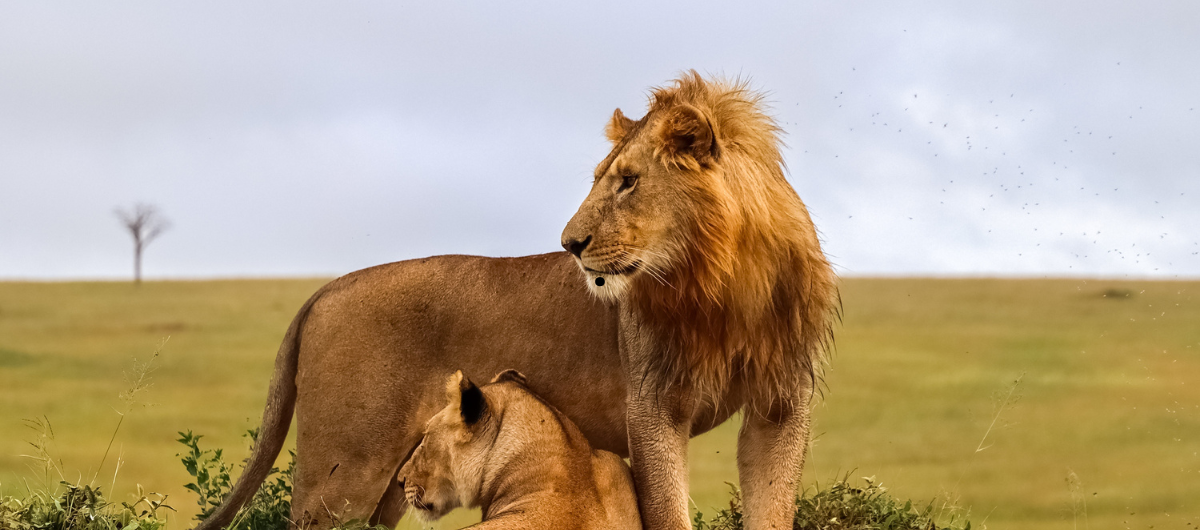
Big Five Concentration:
- Lions: Excellent. Over 3,000 lions roam the Serengeti. You’ll see them regularly, especially near kill sites and water sources.
- Elephants: Good. Herds are common, especially near water sources and during migration river crossings.
- Leopards: Possible but challenging. Nocturnal and solitary by nature, leopards require patience, luck, and expert guides.
- Buffalo: Very good. Large herds gather at water sources, particularly during the dry season months.
- Rhinos: Rare. Black rhinos exist in the Serengeti but sightings are uncommon (fewer than 100 individuals remain).
Best Seasons for Big Five Viewing:
- December–February (Calving Season): Newborn wildebeest attract predators. Lion and leopard activity peaks as mothers feed on abundant young. Excellent for predator viewing.
- July–August (Dry Season): Animals concentrate at remaining water sources. All Big Five chances are high as herds congregate.
- September–November (Return South): Predator hunting is frequent as the main herds move south. Good Big Five odds persist.
Ngorongoro Crater: High Concentration, Limited Space
Inside Ngorongoro Crater’s 260 square kilometers live 25,000 large animals in extremely high density. Your chances of seeing multiple Big Five members in a single day are exceptionally high.
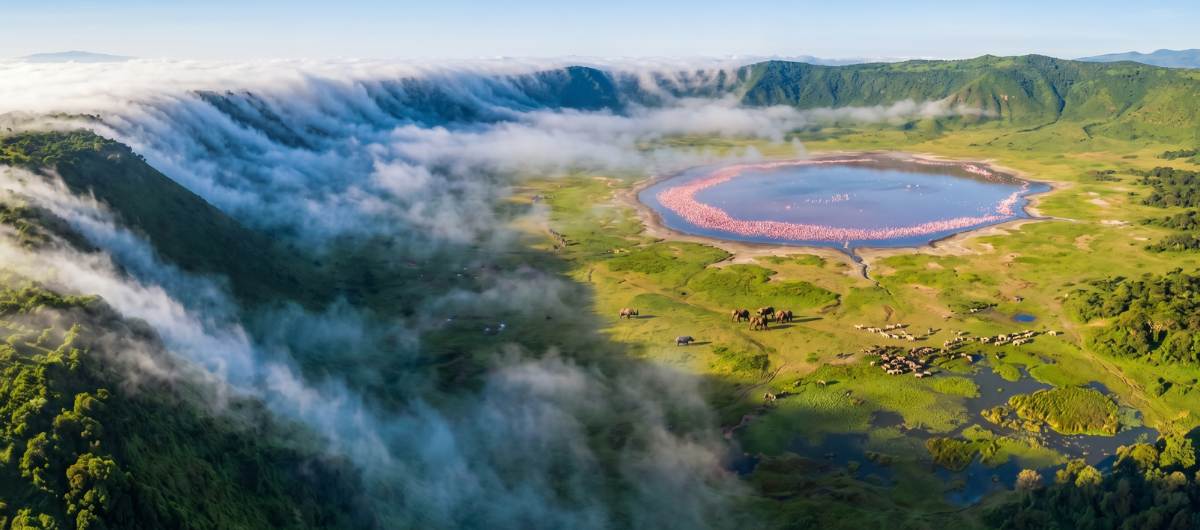
Big Five Concentration:
- Lions: Excellent. Approximately 70+ lions live permanently in the crater. Nearly guaranteed sighting.
- Elephants: Good. Over 100 elephants roam the crater floor year-round.
- Leopards: Possible. Crater woodlands provide excellent cover; sightings are uncommon but possible.
- Buffalo: Very good. Thousands of buffalo concentrate in the crater—one of Africa’s largest buffalo populations.
- Rhinos: Rare but possible. The crater protects approximately 60–80 black rhinos (one of Tanzania’s few surviving rhino populations).
Why Ngorongoro Works: The crater’s steep walls create a natural enclosure where animals cannot escape. This means concentrated populations, clear visibility, and the dramatic landscape intensifies every sighting. However, the limited space means fewer large predators than open savanna parks like Serengeti.
Tarangire National Park: Hidden Big Five Gem
Tarangire is Tanzania’s underrated Big Five destination. Fewer tourists mean more relaxed animals and excellent elephant concentrations that rival any park on the continent.
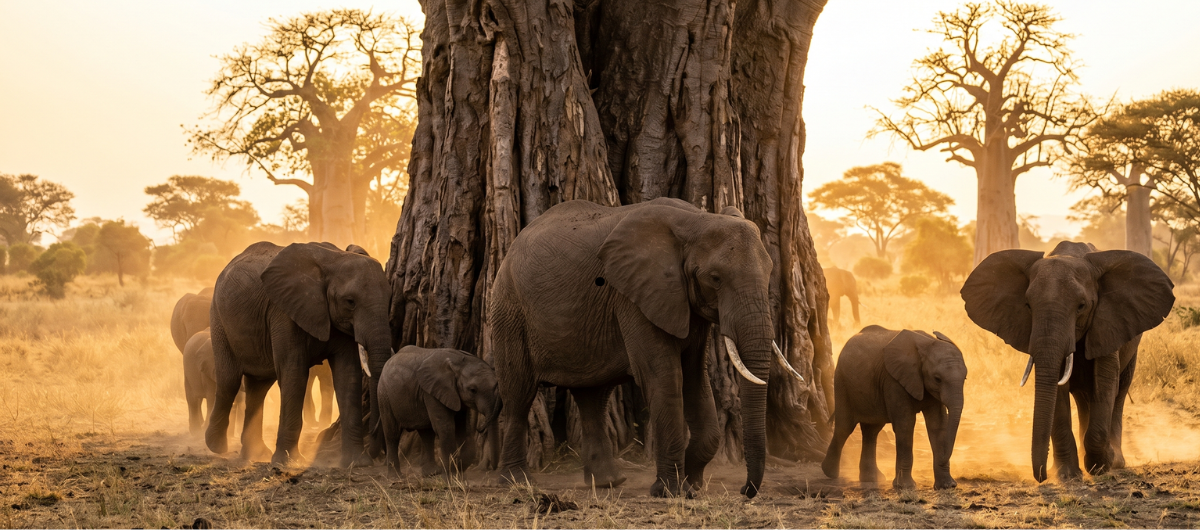
Big Five Concentration:
- Lions: Good. Prides hunt the river corridors but are less visible than in Serengeti.
- Elephants: Excellent. Tarangire is famous for elephant herds (2,000+ elephants). You’ll see elephants regularly, often in massive groups.
- Leopards: Possible. River woodlands provide excellent leopard habitat; sightings are less common than Serengeti but rewarding.
- Buffalo: Good. Buffalo herds gather at the Tarangire River during dry season in large numbers.
- Rhinos: Extremely rare. Tarangire has very few black rhinos; sightings are highly unlikely.
Best Season: June–November (Dry Season). Water concentration brings all species to the Tarangire River. Elephant herds are absolutely spectacular, and predator activity is high.
Lake Manyara National Park: Scenic But Limited Big Five Odds
Lake Manyara’s unique ecosystem combines soda lake, acacia forest, and dramatic rift valley walls. However, Big Five odds are lower here than other parks.

Big Five Concentration:
- Lions: Possible. Tree-climbing lions are famous here, but sightings aren’t guaranteed.
- Elephants: Good. Forest elephants move through regularly.
- Leopards: Unlikely. Fewer sightings than other parks.
- Buffalo: Possible but not concentrated.
- Rhinos: Extremely rare. Virtually no black rhino population.
Recommendation: Lake Manyara is best combined with other parks in a Northern Circuit safari package rather than as a standalone Big Five destination.
Ruaha National Park: Remote Big Five Experience
Ruaha is Tanzania’s largest national park and one of Africa’s least-visited safari destinations. It’s ideal for dedicated Big Five hunters seeking an off-the-beaten-path experience.
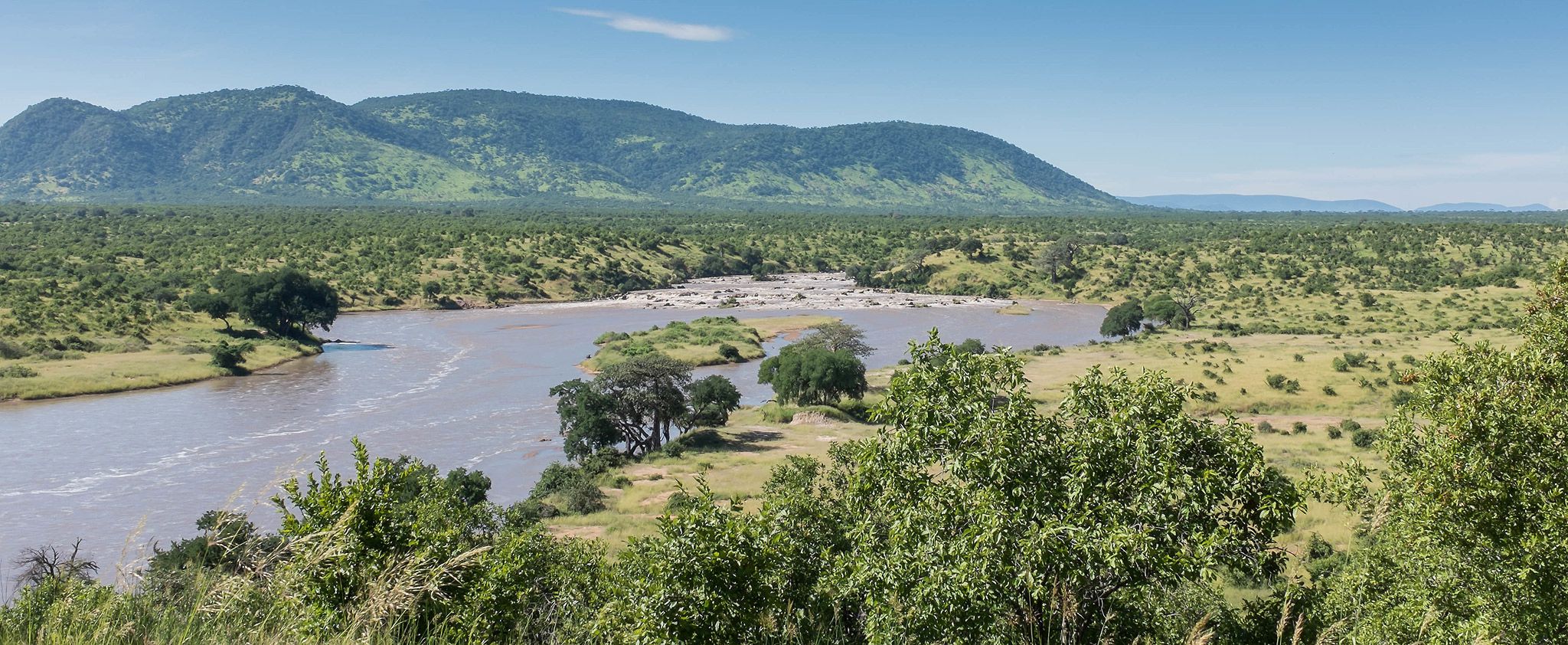
Big Five Concentration:
- Lions: Excellent. One of Africa’s largest lion populations (400+ individuals). Strong viewing odds.
- Elephants: Very good. Over 12,000 elephants make Ruaha one of Africa’s major elephant strongholds.
- Leopards: Possible. Remote woodlands provide excellent habitat for this elusive cat.
- Buffalo: Very good. Large herds concentrate at the Great Ruaha River.
- Rhinos: Extremely rare. Black rhinos are critically endangered in Ruaha (fewer than 10 individuals remain).
Best Season: June–November (Dry season). River concentration is highest, and wildlife viewing is exceptional. Ruaha requires more time and commitment than northern parks, but rewards dedicated travelers with fewer crowds and authentic African wilderness.
The Lion: Africa’s Apex Predator and the King of the Big Five
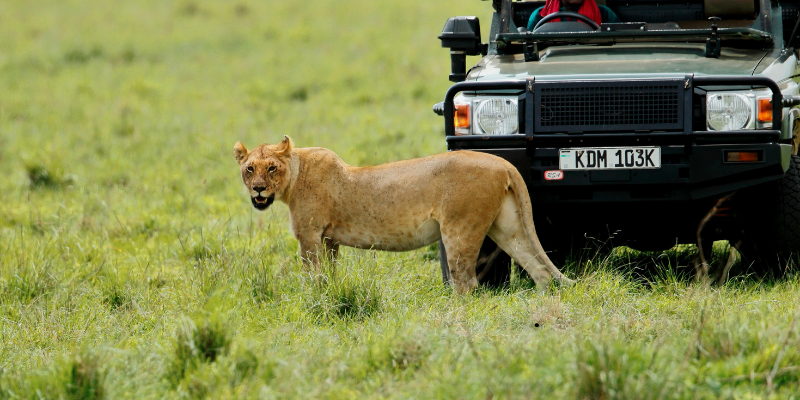
The lion is perhaps the most iconic of all Big Five members. Powerful, majestic, and undeniably dangerous, a male lion’s roar can be heard up to 5 miles away across African savanna. The sight of a pride resting in shade or a lone male regarding your vehicle with casual indifference represents the moment many safari-goers dream of.
Lion Behavior and Ecology
Lions are Africa’s apex predators and the only truly social cats in the world. They live in prides—family groups that can include 5 to 30 individuals, with complex hierarchies and cooperative hunting strategies. Unlike solitary big cats, lions depend on group cooperation to bring down large prey like buffalo, zebra, and wildebeest.
Male lions are instantly recognizable by their magnificent manes, which serve multiple purposes: they indicate health and genetic fitness to females, intimidate rivals, and protect the neck during fights. A darker, fuller mane typically indicates a healthier, more dominant male.
Lions rest 16+ hours daily, conserving energy for hunting. They’re most active during cooler parts of the day—early morning and late afternoon—and particularly active during twilight hours when prey is more active.
Where and When to Find Lions in Tanzania
Best Locations:
- Serengeti: Your best overall bet. Over 3,000 lions spread across varied terrain—grasslands, woodlands, river corridors.
- Ngorongoro Crater: Guaranteed viewing. Lions are habituated to vehicles and visible throughout the crater floor.
- Tarangire: Good odds along river corridors and at water sources.
- Ruaha: Excellent. One of Africa’s largest lion populations ensures strong sighting odds.
Best Viewing Seasons: December–February (predator frenzy during calving season when newborn wildebeest attract predators) and July–August (river crossings attract prey, concentrating predators at kill sites).
Lion Viewing Tips from Expert Guides
- Time your game drives strategically. Early morning (6–8 AM) and late afternoon (4–6 PM) are prime hunting times. Schedule your game drives around these windows.
- Listen for roars. A lion’s roar carries for miles. Guides use sound to locate prides and alert other vehicles to sightings.
- Follow vultures. Circling vultures often indicate a recent kill. Lions are likely feeding nearby.
- Check water sources. During dry season, lions hunt at waterholes where prey must drink. This creates predictable viewing.
- Observe lion behavior. Males in shade = resting. Males at water = hunting. Females with cubs = family dynamics. Each behavior tells a story.
- Patience matters. A lion sighting can happen in 30 minutes or require patience across multiple days. Accept this unpredictability as part of the safari experience.
Photography Tips for Lion Portraits
Lions are often in deep shade (they rest under acacia trees during the hottest hours). Bring high ISO capability for low-light shots and fast shutter speeds to freeze movement if the lion is active.
- Focus on the eyes—sharp eyes make the image work even if the rest is slightly soft.
- Males are more photogenic than females; their manes photograph dramatically in golden light.
- Pride dynamics create interesting compositions—mothers with cubs, males sparring, territorial posturing.
- Late afternoon light is ideal, casting warm tones across mane and face.
Cost: Lion viewings are included in standard safari game drives ($300–$500/day). No additional fees required for lion-specific sightings.
The Elephant: Earth’s Largest Land Animal and Symbol of African Wilderness
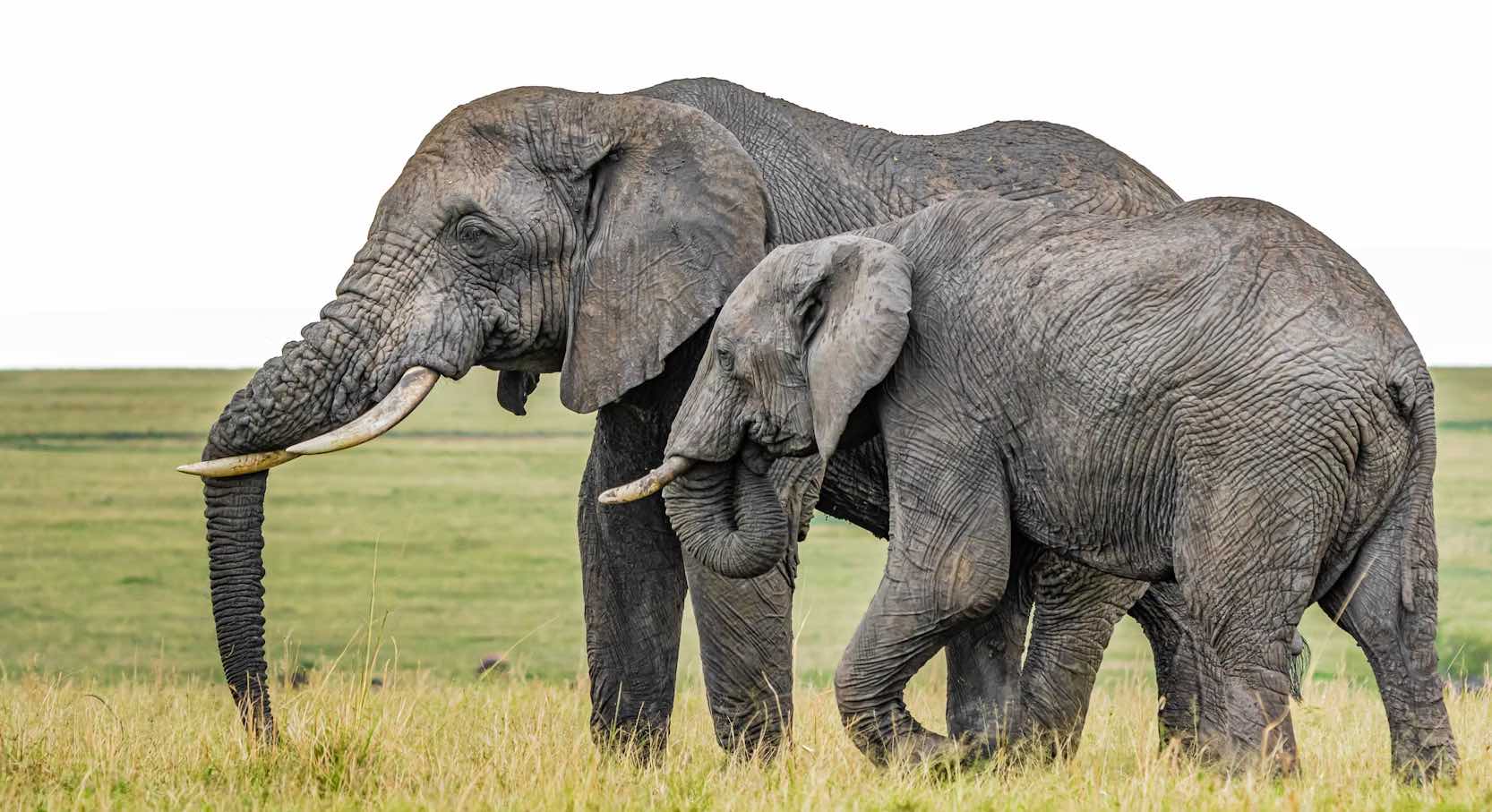
Elephants are perhaps the most emotionally compelling Big Five member. Intelligent, social, deeply emotional, and profoundly complex, a herd of elephants reveals African wilderness at its most authentic. Watching mothers protect calves, bulls sparring, and families communicating through subsonic rumbles is witnessing one of Earth’s most remarkable creatures.
Elephant Intelligence, Social Structure, and Ecology
African elephants are among the most intelligent animals on Earth. They possess excellent long-term memory, complex social hierarchies, and sophisticated communication systems. Herds are led by the matriarch—typically the oldest female—whose experience guides the group’s survival, particularly during droughts when she remembers where water sources are located.
Tusks are elongated incisor teeth composed of ivory, each weighing 40+ pounds on large males. These tusks serve multiple purposes: they help create trails through dense vegetation, dig for roots and water, strip bark from trees, and serve as status symbols within herds. Sadly, poaching for ivory has decimated elephant populations across Africa, making each sighting meaningful for conservation.
Elephants are herbivorous, consuming up to 300 pounds of vegetation daily. This massive dietary need makes them keystone species—their feeding, trampling, and movement through landscapes shapes entire ecosystems. Elephants create waterholes by digging, provide water access to smaller animals during droughts, and shape vegetation patterns through their browsing.
Where and When to Find Elephants in Tanzania
Best Locations by Concentration:
- Tarangire National Park: Highest concentration globally (2,000+ elephants). Nearly guaranteed sightings, often in spectacular herds of 50–200 individuals.
- Serengeti: Good numbers (6,500+ elephants). Regular encounters, especially near water sources and during migration river crossings.
- Ngorongoro Crater: Over 100 elephants in the crater. Guaranteed viewing in concentrated habitat.
- Ruaha: Over 12,000 elephants. One of Africa’s largest elephant populations.
Best Viewing Seasons: Year-round, but June–October (dry season) concentrates elephants at water sources, creating predictable viewing opportunities.
Elephant Viewing Tips and Behavior Reading
- Follow the dust. Dust clouds indicate herds moving. Guides often spot herds from great distance via dust plumes.
- Watch for the matriarch. Herds are led by the oldest female whose experience guides group survival. Observe her behavior to understand herd dynamics.
- Look for calves. Mothers are intensely protective of young, creating dramatic moments. Calf presence indicates a healthy, stable herd.
- Track at water sources. During dry season, elephants visit waterholes twice daily (typically dawn and dusk). This predictability makes waterhole viewing strategic.
- Listen for communication. Elephants rumble in subsonic frequencies—frequencies humans feel more than hear. Herds communicate over miles, and guides can locate them by listening and feeling vibrations.
- Observe feeding behavior. Elephants spend 16+ hours daily foraging. Watching them feed reveals their ecological importance and relationship with landscape.
- Watch for dust baths. Elephants throw dust over themselves for sun protection and parasite control. These moments are visually spectacular and reveal elephant intelligence.
Photography Tips for Elephant Portraits and Groups
Elephants offer stunning compositional opportunities—family units, dust baths, tusks catching light, herds moving in formation.
- Bring wide-angle lenses (16–35mm) for herd shots and environmental context.
- Bring telephoto lenses (200–400mm) for detail work and portraits of individuals within herds.
- Dust creates beautiful atmospheric effects in late afternoon light.
- Mother-calf interactions are emotionally compelling—patience captures these moments.
- The tusks of large bulls photograph dramatically in golden light.
Cost: Standard safari game drive fees ($300–$500/day). Elephant viewing is included; no additional fees required.
The Leopard: The Elusive Cat and Rarest of the Big Five
The leopard is the most difficult of the Big Five to see. Solitary, nocturnal, and perfectly camouflaged, spotting a leopard is considered the rarest and most prized Big Five sighting. Impossibly beautiful with a spotted coat that blends seamlessly into dappled shadow and light, the leopard represents the pinnacle of African wildlife observation.

Leopard Behavior, Ecology, and Solitary Nature
Unlike lions that live in social prides, leopards are fiercely solitary and territorial. Each leopard maintains a territory that overlaps minimally with other leopards, with males defending larger areas than females. This solitary nature, combined with their nocturnal hunting behavior, makes them incredibly difficult to observe.
Leopards are exceptional hunters, capable of killing prey three times their size. They hunt primarily at night, stalking with incredible patience before explosive acceleration. After a successful kill, leopards hoist their prey into trees—a behavior that protects the carcass from scavenging lions and hyenas, allowing a single leopard to feed over several days.
Leopard camouflage is extraordinary. Their spotted rosette pattern perfectly mimics dappled light and shadow, making them nearly invisible against tree bark, tall grass, and rocky terrain. This exceptional camouflage is both their greatest asset for hunting and the primary reason they’re so difficult for humans to spot.
Where and When to Find Leopards in Tanzania
Best Locations:
- Serengeti: Over 1,000 leopards live here. Sightings are still uncommon (nocturnal, solitary, camouflaged) but possible, especially with expert guides.
- Tarangire: River woodlands provide excellent leopard habitat. Sightings are uncommon but possible.
- Ngorongoro Crater: Crater woodlands shelter leopards. Sightings are rare but more likely here than on open grasslands.
- Ruaha: Remote woodlands provide habitat, though sightings remain challenging.
Best Viewing Seasons: December–February and July–August when predator activity is highest and nocturnal hunting is most intense.
Advanced Leopard Spotting Strategies
- Employ expert guides. Professional guides trained in leopard behavior and patterns have significantly higher spotting rates than average tourists. This is one sighting where guide expertise truly matters.
- Scan tree canopies carefully. Leopards rest in acacia branches during daytime, camouflaged against dappled light. Constant scanning of canopies is essential.
- Undertake nocturnal game drives. Nocturnal drives (available in Serengeti at certain camps) dramatically increase leopard odds. Leopards are most active at night.
- Focus on river corridors. Rocky areas and dense vegetation along rivers are prime leopard habitat where they ambush prey.
- Hunt at dawn. Just after dawn, leopards are occasionally visible before retreating to daytime hideouts in trees or rocky caves.
- Accept that it requires extreme patience. Leopard sightings can take 4+ days of dedicated searching. Expecting to see a leopard on a 3-day safari is unrealistic.
Photography Tips for Capturing the Elusive Beauty
Leopard photos are prized among wildlife photographers. These images are among Africa’s most beautiful and coveted.
- Use high shutter speeds (1/1000+) to freeze predator movement and sharp details in spotted coat.
- Focus critically on eyes—they must be tack-sharp for the image to work.
- During nocturnal drives, use spotlight beams to capture eye-shine, creating an ethereal, haunting quality.
- If the leopard is in a tree, include the branch and surrounding foliage for environmental context.
- Spotted rosette patterns photograph beautifully with side-lighting that emphasizes the three-dimensional texture of the coat.
Cost: Standard safari game drive fees ($300–$500/day). Nocturnal game drives (significantly increase leopard odds) may cost $400–$600/night—a premium experience but worthwhile if leopards are your priority.
The Buffalo: Africa’s Most Unpredictable and Powerful Bovine
Buffalo are often underestimated by safari-goers, yet they’re among Africa’s most dangerous animals. Described as “Africa’s most unpredictable bovine,” buffalo are highly social, incredibly powerful, and fiercely aggressive when threatened. A buffalo charge is terrifying—these massive animals can reach speeds of 35 mph and weigh up to 1,800 pounds.

Buffalo Behavior, Social Structure, and Evolutionary Adaptations
Buffalo live in herds ranging from small groups of 50 to mega-herds of several thousand. Herd behavior is sophisticated—these are intelligent animals with complex social hierarchies. Older males often lead herds, and younger animals learn survival strategies from elders, particularly where water is located during droughts.
Buffalo horns are their most recognizable feature. Thick, powerful, and curved dramatically, these horns are formidable weapons used in intra-species combat and defense against predators. The horns grow throughout the animal’s lifetime, with older bulls bearing increasingly impressive headgear.
Despite their herbivorous diet, buffalo are extremely dangerous. Their unpredictability stems from their aggressive temperament—they don’t flee threats like many herbivores; instead, they charge. This combination of power, aggression, and unpredictability makes buffalo genuinely feared by both predators and humans.
Where and When to Find Buffalo in Tanzania
Best Locations by Concentration:
- Serengeti: Hundreds of thousands during migration. Extremely common and easily found.
- Ngorongoro Crater: Thousands in the crater. Nearly guaranteed sighting.
- Tarangire: Large herds at the river during dry season. Very good viewing odds.
- Ruaha: Significant numbers at the Great Ruaha River, particularly in dry season.
Best Viewing Seasons: June–November (dry season when buffalo concentrate at water sources). During wet season, buffalo spread across wider areas where water is distributed.
Buffalo Viewing Tips and Behavioral Cues
- Follow the herds. Buffalo are often in massive groups (hundreds or thousands). Once you spot one, the rest of the herd is nearby.
- Look for dust clouds. Moving herds create visible dust from considerable distance, allowing guides to locate them efficiently.
- Check water sources at midday. Buffalo drink at waterholes, especially during afternoon heat. This is predictable viewing.
- Listen to herd communication. Buffalo make audible snuffling, grunting, and bellowing sounds. Guides listen for audio cues to locate herds.
- Observe their wariness. Buffalo are alert animals. Watch their ears and body language—they’re constantly scanning for threats.
- Maintain respectful distance. Despite their herbivorous diet, buffalo are genuinely dangerous. Guides maintain safe distances, particularly around solitary bulls or females with calves.
Photography Tips for Capturing Herd Dynamics
- Herds in motion create spectacular compositional opportunities—thousands of animals moving in formation.
- Close-ups reveal facial detail—the intensity in their eyes, the impressive horn structure, and powerful build.
- Wide-angle shots capture herd scale and landscape context.
- Side-lighting emphasizes the texture of their thick hides and dramatic horn curves.
- Water-hole scenes (buffalo drinking, bathing, interacting) reveal their social nature.
Cost: Standard safari game drive fees ($300–$500/day). Buffalo viewing is included; no additional fees required.
The Rhinoceros: Tanzania’s Rarest Big Five Member and a Symbol of Conservation Crisis
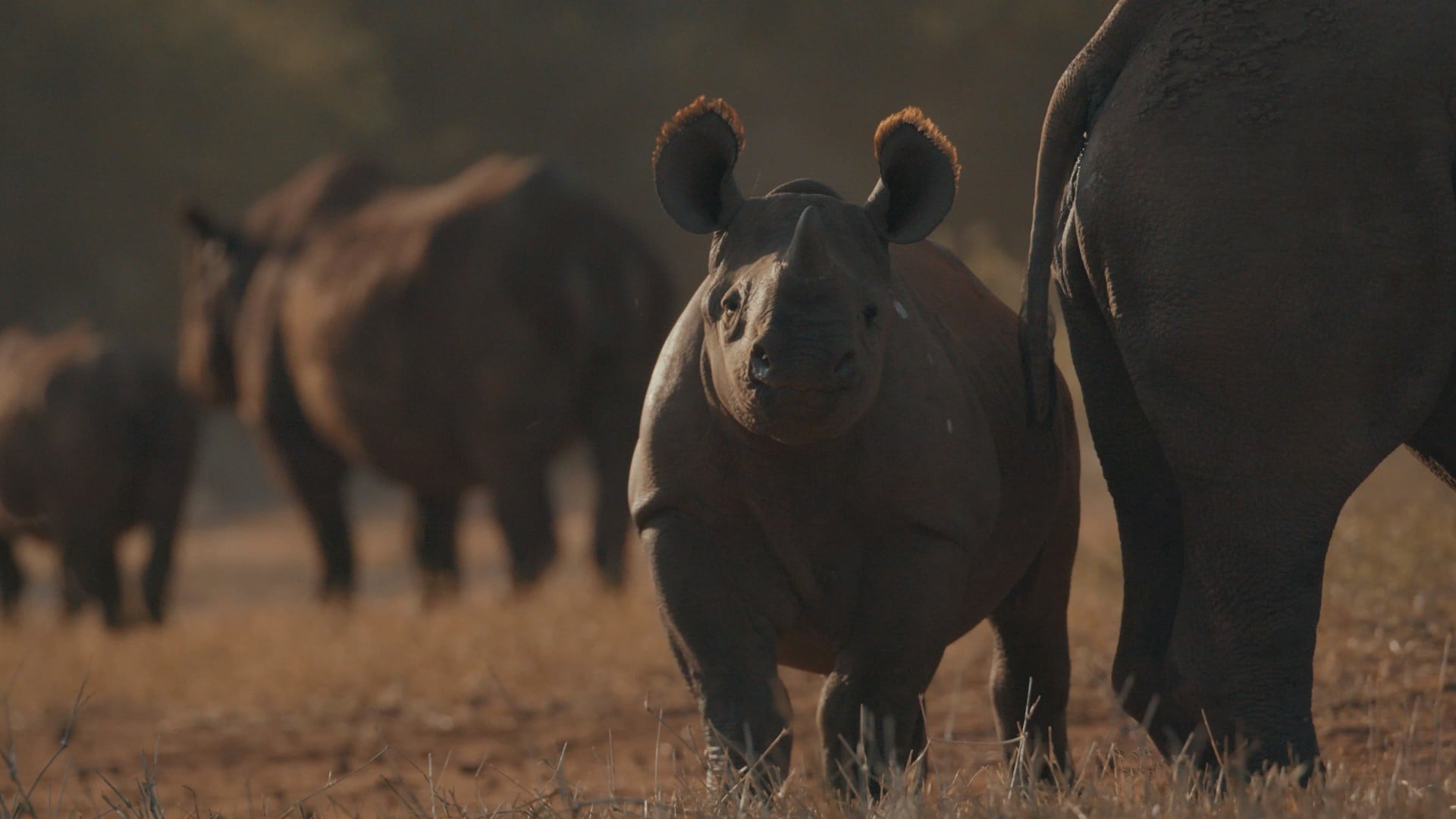
The rhinoceros represents one of wildlife’s greatest conservation crises. African black rhinos number fewer than 6,000 continent-wide—a staggering decline from 100,000 just 50 years ago. Seeing a rhino in the wild is witnessing an animal on the edge of extinction, making any sighting genuinely special and conservation-significant.
Rhino Biology, Extinction Risk, and Conservation Urgency
African black rhinos are massive, powerful animals weighing up to 3,000 pounds. They’re solitary, territorial creatures with poor eyesight but excellent hearing and smell. Their distinctive features include a prominent horn used for territorial marking and defense, and a pointed lip specifically adapted for browsing leaves and branches.
The poaching crisis has devastated rhino populations. Rhino horns are valued in traditional medicine markets, particularly in Asia, where they command astronomical prices—sometimes exceeding gold by weight. This demand has driven relentless poaching that has nearly eliminated these magnificent animals from the wild.
Tanzania is one of the last strongholds for black rhinos in Africa. Conservation efforts, particularly in Ngorongoro Crater, represent critical work to prevent total extinction. Seeing a rhino means supporting conservation organizations that protect them—every sighting matters for these endangered species’ survival.
Where and When to Find Rhinos in Tanzania
Best Locations:
- Ngorongoro Crater: Tanzania’s best rhino location with 60–80 black rhinos. Sightings are uncommon but more likely here than anywhere else.
- Serengeti: Extremely rare (fewer than 100). Sightings are very unlikely despite extensive searching.
- Other Parks: Tarangire, Lake Manyara, and Ruaha have virtually no wild rhino populations.
Best Viewing Seasons: Year-round, but more visible during dry season (June–October) when concentrated at water sources.
Realistic Expectations for Rhino Sightings
- Accept rarity. Rhino sightings are genuinely uncommon. Don’t expect to see rhinos on a standard safari.
- Use binoculars constantly. Scan grasslands systematically. Rhinos can be motionless and blend into terrain, making them easy to miss.
- Consult experienced guides. Professional guides in Ngorongoro know recent sighting locations and rhino behavior patterns, significantly increasing odds.
- Hunt during optimal hours. Early morning and late afternoon are when rhinos are more active than during the hottest midday hours.
- Accept that it may not happen. Some safari-goers visit Tanzania multiple times without rhino sightings. It’s the rarest of the Big Five.
Conservation Photography and Ethical Rhino Documentation
If you see a rhino, photograph everything. You may never get another chance. Rhino images are precious documentation of one of Earth’s rarest large mammals.
- Maintain respectful distance as guided by your expert guide.
- Shoot multiple angles and compositions.
- Include environmental context showing habitat.
- These images have conservation value—share them with wildlife organizations.
Conservation Note: African black rhinos are critically endangered (fewer than 6,000 remain continent-wide). Seeing one is witnessing an animal on the edge of extinction. Tanzania’s conservation efforts are vital to preventing total extinction. By visiting and supporting responsible safari operators, you contribute to rhino protection.
Cost: Standard safari game drive fees included. Rhino sightings are free, but witnessing one feels priceless.
Big Five Safari Strategies: How to Maximize Your Chances of Seeing All Five
Choose the Right Park Combination
- Want all five? Combine Serengeti (3–4 days) + Ngorongoro Crater (1–2 days) for best overall odds.
- Focused Big Five hunt? Serengeti alone offers the most complete Big Five experience with excellent odds.
- Prefer certainty and density? Ngorongoro Crater offers the highest predictability since animals can’t leave the enclosed crater.
- Seeking adventure and fewer crowds? Ruaha National Park or Tarangire offer rewarding alternatives with exceptional wildlife but fewer tourists.
Optimize Your Timing
Peak Big Five Seasons:
- July–August (Dry Season): River crossings attract massive predator concentrations. Dry season concentrates all wildlife at remaining water sources. This is peak season for all Big Five sightings.
- December–February (Calving Season): Newborn wildebeest attract intense predator activity. Lush vegetation after rains creates abundant food. Excellent Big Five odds.
- Avoid: March–May (long rains disperse animals widely; visibility is poor; vegetation is thick).
Use the Right Guide
- Professional guides dramatically increase Big Five spotting rates. This is not a luxury—it’s a necessity for leopard and rhino sightings.
- Radio networks matter. Guides with radio networks communicate with other vehicles, sharing recent animal locations in real-time.
- Check credentials. Naturalist guides with 10+ years experience spot significantly more animals than rotating staff with minimal training.
- Ask specifically about Big Five specialization. Some guides are particularly skilled at locating specific animals.
Book Strategic Accommodations
- Location matters tremendously. Camps positioned on migration routes or river corridors have superior wildlife access compared to random locations.
- Multiple game drives daily increase odds. Some camps offer 3–4 game drives daily (sunrise, midday, afternoon, night drives). More game drive hours = more sightings.
- Professional driver-guides at top camps employ dedicated guides, not rotating staff. Consistency matters for learning animal patterns.
- Quality camps invest in finding wildlife. They maintain radio networks and invest in guide training.
Plan Appropriate Duration
- 3 days minimum: Achieves most Big Five (realistic for a combined Ngorongoro + quick Serengeti itinerary).
- 5–7 days optimal: Comprehensive Big Five experience with flexibility for weather and animal movement. This is the sweet spot for most travelers.
- 10–14 days ideal: Multiple parks, multiple seasons of visiting, flexibility if leopard or rhino elude you. Near-certain Big Five sightings.
2026 Big Five Safari Planning: Costs, Logistics, and Booking Strategy
Estimated Safari Costs Breakdown
Here’s a realistic cost breakdown for a 5-day Big Five safari in 2026. Note that these are Tanzania-based costs; international flights, visas, and insurance are additional.
| Category | Daily Cost | Accommodation | Food & Drinks | 5-Day Total |
|---|---|---|---|---|
| Budget | $430–$750 | $100–$200/night | $30–$50/day | $2,150–$3,750 |
| Mid-Range | $750–$1,300 | $200–$400/night | $50–$100/day | $3,750–$6,500 |
| Luxury | $1,300–$2,700+ | $400–$1,500+/night | $100–$200/day | $6,500–$13,500+ |
Important Note: These costs do NOT include international flights ($600–$1,200), Tanzania visa ($50–$100), or travel insurance ($100–$300). Budget these separately.
What’s Typically Included vs. What’s Extra
- Included: All game drives, accommodation, meals at the lodge, internal transportation to/from airstrips (usually), professional guides.
- Not included: Drinks at meals (often available for extra cost), tips for guides and staff (10–15% suggested), park entrance fees (sometimes, sometimes not—ask when booking), premium activities like night drives (often extra).
Booking Timeline and Strategy
- Book 6–12 months in advance for peak season (July–August, December–February) to secure the best camps and guides.
- Book 3–6 months ahead for shoulder season (June, September–October, November, January).
- Direct booking advantage: Booking directly with Tanzania Wildlife Adventures often costs less than third-party agents and allows for personalized itinerary planning.
- Ask about shoulder season discounts: June and September–November offer excellent wildlife viewing at lower prices than peak season.
Game Drive Schedule and Daily Routine
- Early morning game drive: 6:00 AM – 12:00 PM (cooler temperatures, more predator activity, optimal lighting for photography).
- Afternoon game drive: 3:00 PM – 6:00 PM (animals wake after midday rest, golden hour lighting).
- Nocturnal game drive: 6:00 PM – 9:00 PM (leopards and nocturnal species active; available in certain areas).
- Vehicle type: 4×4 open-sided safari vehicle (excellent sightlines; minimal AC; prepare for dust and sun exposure).
Big Five Photography Tips: Capturing Africa’s Most Iconic Animals
Essential Camera Gear for Safari Photography
- Telephoto lens (essential): 200–400mm recommended. This focal length allows wildlife detail without disturbing animals or getting dangerously close.
- High shutter speed capability: Minimum 1/1000 to freeze predator movement and action. Fast film/high ISO necessary for low-light conditions.
- Wide-angle lens (optional): 16–35mm for landscape shots, entire herds, environmental context, and establishing the setting.
- Protection from dust: Dust is brutal on camera equipment. Invest in quality camera bags, lens filters (UV and polarizing), and constant cleaning supplies.
- Extra batteries and memory cards: More than you think you’ll need. African sun drains batteries faster; memory cards fill quickly with continuous shooting.
Camera Settings and Technical Technique
- Shoot in RAW format for maximum post-processing flexibility. JPEGs are more limited in editing range.
- Use high ISO without fear. Accept some grain; shutter speed and critical focus matter far more than perfect ISO cleanliness.
- Continuous autofocus to track moving animals as you shoot. Single-shot focus loses focus too easily on moving subjects.
- Expose for highlights. Overexposed skies lose all detail. Expose for the animal’s fur, then brighten shadows in post-processing.
- Pre-focus on eyes. An animal’s eye in sharp focus makes the image work, even if the body is slightly soft.
- Burst mode for action. Continuous shooting increases your odds of capturing the decisive moment in predator behavior.
Composition and Wildlife Photography Ethics
- Maintain respectful distance. Don’t chase or stress animals for photos. Your guide’s positioning is based on animal behavior and park rules.
- Respect guide expertise. Guides manage distance and approach based on animal welfare. Follow their guidance.
- Never use flash. Flash stresses animals and is prohibited in most parks. It’s unnecessary with proper ISO and shutter speed.
- Quality over quantity. One memorable, well-composed shot beats 1,000 mediocre images. Patience and intentionality > trigger-finger enthusiasm.
- Anticipate behavior. Experienced photographers predict animal behavior—lions approaching prey, herds approaching water—and position accordingly.
Frequently Asked Questions: Big Five Safari Tanzania 2026
When is the best time to see the Big Five in Tanzania?
The best time is July–August when dry season concentrates animals at water sources and river crossings attract predators. December–February (calving season) is the secondary peak, when newborns attract predators and predator activity is intense. Both seasons are excellent for Big Five viewing; July–August offers more concentrated wildlife.
What is the realistic probability of seeing all five Big Five members?
Realistic probabilities depend on location and duration: Serengeti + Ngorongoro, 5 days: 70–80% chance of all five. Serengeti alone, 3 days: 60–70% chance. Ngorongoro alone, 1 day: 80–90% (but likely missing rhino, possibly missing leopard). Leopards and rhinos are the limiting factors. Seeing all five in one safari is genuinely special—it’s the exception, not the norm.
How much does a Big Five safari cost in 2026?
A 5-day Big Five combo (Serengeti + Ngorongoro) ranges from $2,150 (budget) to $13,500+ (luxury). Mid-range averages $4,000–$6,000. International flights, visas, and insurance are additional costs.
Is it safe to safari in Tanzania?
Yes. Tanzania is stable and welcoming to tourists. Serengeti and Ngorongoro are among Africa’s safest safari destinations. Standard precautions apply (avoid walking alone at night in towns), but safari parks themselves are secure. Thousands of international tourists visit annually without incident.
What should I bring on a Big Five safari?
Essentials: Neutral-colored clothing (khaki, tan, green), wide-brimmed hat, sunglasses, SPF 50+ sunscreen, closed-toe hiking boots, reusable water bottle, binoculars, camera gear, malaria prophylaxis if recommended, travel insurance documents, passport. Optional: lightweight rain jacket, reading material, portable charger, high-altitude gear if combining with Kilimanjaro.
Can I do a Big Five safari alone (solo travel)?
Yes. Solo safaris are common. Most safari vehicles seat 4–6 passengers, so you’ll be with other tourists (forming instant friendships). All logistics are handled by your operator. Solo female travelers should use reputable operators; safety is generally excellent. Discuss solo travel concerns when booking—most operators have experience with solo travelers.
How many days do I need to see all five Big Five members?
Realistically, 5–7 days offers good Big Five odds. A 3-day safari can see four of five but often misses leopards or rhinos. If time is limited, accept that you may not see all five—focus on enjoying the extraordinary animals you do see rather than checking boxes.
Are nocturnal game drives worth it for leopards?
Yes, if leopards are your priority. Nocturnal drives (available in Serengeti at certain camps) dramatically increase leopard odds. They cost extra ($400–$600) but offer unique nighttime sightings (hyenas, jackals, nocturnal species) plus significantly better leopard chances. Recommended if leopards are your white whale.
What if I don’t see a specific Big Five member?
The Big Five is aspirational. Not all safaris deliver all five. Guides cannot guarantee sightings—nature is unpredictable. Focus on the extraordinary animals you do see. A close encounter with a lion pride, a herd of 100+ elephants, or a buffalo supergroup is life-changing, even without all five checkmarks.
How do I book a Big Five safari?
Book directly with Tanzania Wildlife Adventures or through travel agents specializing in Tanzania. Direct booking often provides better rates and personalized itinerary planning. Book 6–12 months ahead for peak season; 3–6 months for shoulder seasons. Confirm included activities, vehicle type, guide experience, accommodation quality, and exact itinerary before paying.
Is a rhino sighting realistic?
Rhino sightings are extremely rare. Tanzania has fewer than 200 black rhinos in the wild; continent-wide, fewer than 6,000 remain. Even in Ngorongoro (Tanzania’s best rhino location), seeing one requires luck. Accept this as bonus, not expectation. If you see a rhino, you’ve witnessed something truly special—fewer than 1% of safari-goers see African rhinos in the wild.
What’s the difference between a Big Five sighting and good wildlife photography?
A sighting is the animal being visible to the naked eye from the safari vehicle. Good photography is a well-composed, in-focus, dramatic image capturing the animal’s essence. Not all sightings create good photos (backlighting, distance, vegetation obstruction). Good photography requires technical skill, patient guides, and often luck. Don’t sacrifice the experience trying to photograph every animal—sometimes witnessing is enough.
Begin Your Adventure
Ready to Experience the Big Five? Book Your Tanzania Safari Today
The Big Five awaits. Whether you see all five or four, the experience of witnessing Africa’s most iconic animals in their natural habitat transforms travelers. The Serengeti’s vastness, the crater’s drama, the predator-prey tension—this is Africa in its rawest, most authentic form.
Tanzania Wild Camps specializes in Big Five safaris tailored to your timeline, budget, and preferences. Our expert guides, strategic park positioning, and transparent pricing make planning your Big Five adventure straightforward and rewarding.